6 Classic Car Winter Storage Tips (2026)
Classic car winter storage is more than parking a collector vehicle and covering it. Before putting your car away, talk with your shop about the storage environment, battery plan, tire condition, fluid levels, and engine oil requirements. A short pre-storage conversation can help prevent corrosion, starting problems, flat spots, and avoidable spring repairs.
Why should you talk with a shop before winter storage?
Classic cars often need a more tailored storage plan than modern daily drivers. Age, materials, fuel systems, cooling systems, electrical components, and previous repairs all affect how a vehicle should sit for several months.
A technician who knows the car can identify details that are easy to overlook, including:
- Whether the storage location is dry, ventilated, and protected from temperature swings
- How the battery and charging system should be handled
- Whether the tires, fluids, belts, and hoses are ready for extended sitting
- Whether the engine requires a particular oil specification
- Which concerns should be addressed before the car is covered
At Shade Tree Garage, an independent Morristown shop serving drivers since the 1970s, we combine hands-on experience with modern diagnostic equipment. Our classic car services are designed around the vehicle in front of us—not a one-size-fits-all checklist.
1. Is the storage spot suitable for my classic car?
Start with the room itself. A clean, dry garage is generally preferable to outdoor storage, but not every garage protects a classic equally well. Moisture, poor airflow, leaking roofs, dirt, and dramatic temperature changes can all create problems over time.
Ask your shop to consider:
- Whether the space has signs of dampness or condensation
- How the car will be protected from dust without trapping moisture
- Whether nearby lawn equipment, chemicals, or other hazards could affect the finish
- Whether the car has any known water leaks or vulnerable seals
Your technician may also recommend addressing a small leak, damaged weatherstripping, or other issue before storage. Preventative maintenance is usually easier when the car is already being inspected. See our preventative maintenance services for more information.
2. What should I do about the battery?
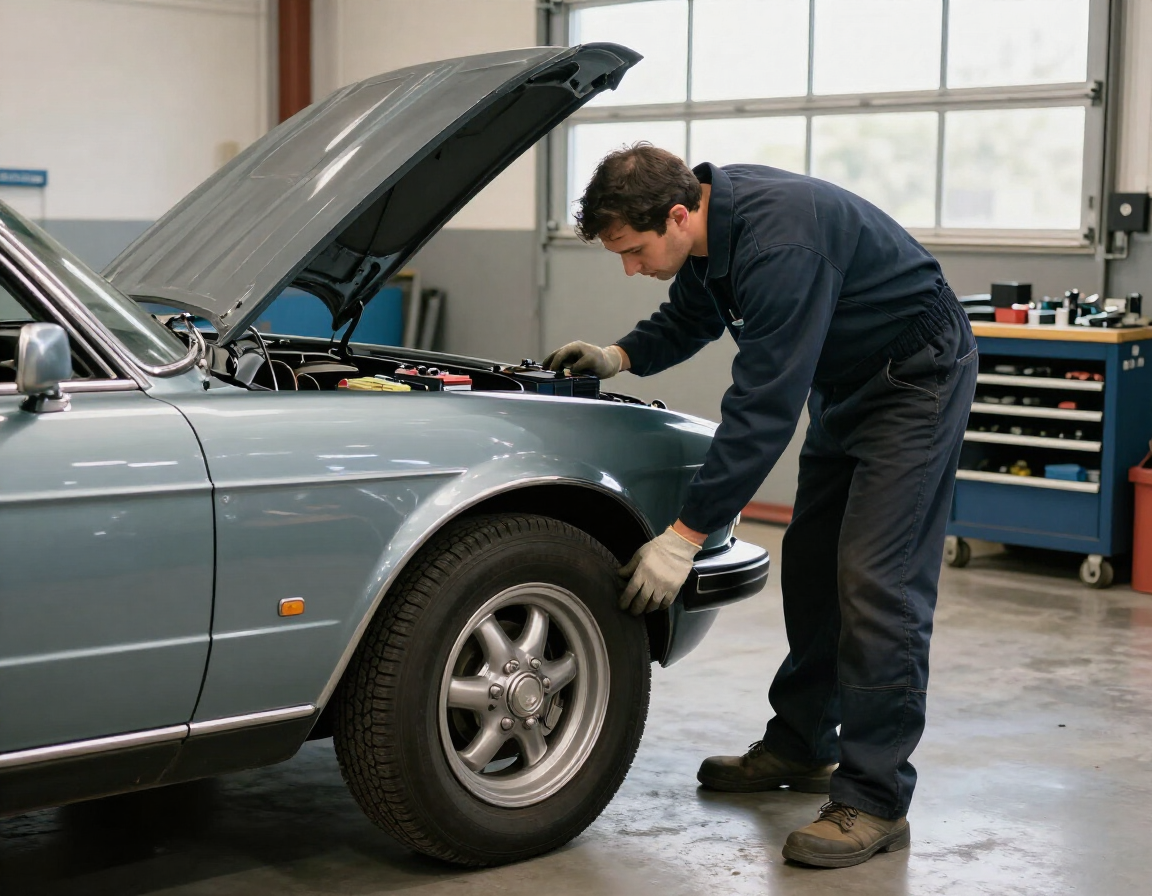
Battery care should be part of the storage conversation, especially on a vehicle with older wiring, an aftermarket alarm, or accessories that draw power while the car is parked. A battery that appears healthy may still lose charge during a long period of inactivity.
Ask your shop to check the battery’s condition, charging system, connections, and any unusual electrical draw. The right plan may involve disconnecting the battery, maintaining its charge, or making another choice based on the vehicle and storage setup.
Do not assume the same approach is right for every classic. Original electrical systems and later modifications can behave differently. A quick battery and electrical inspection can help you avoid discovering a weak battery when spring driving begins.
3. Are the tires ready to sit for months?
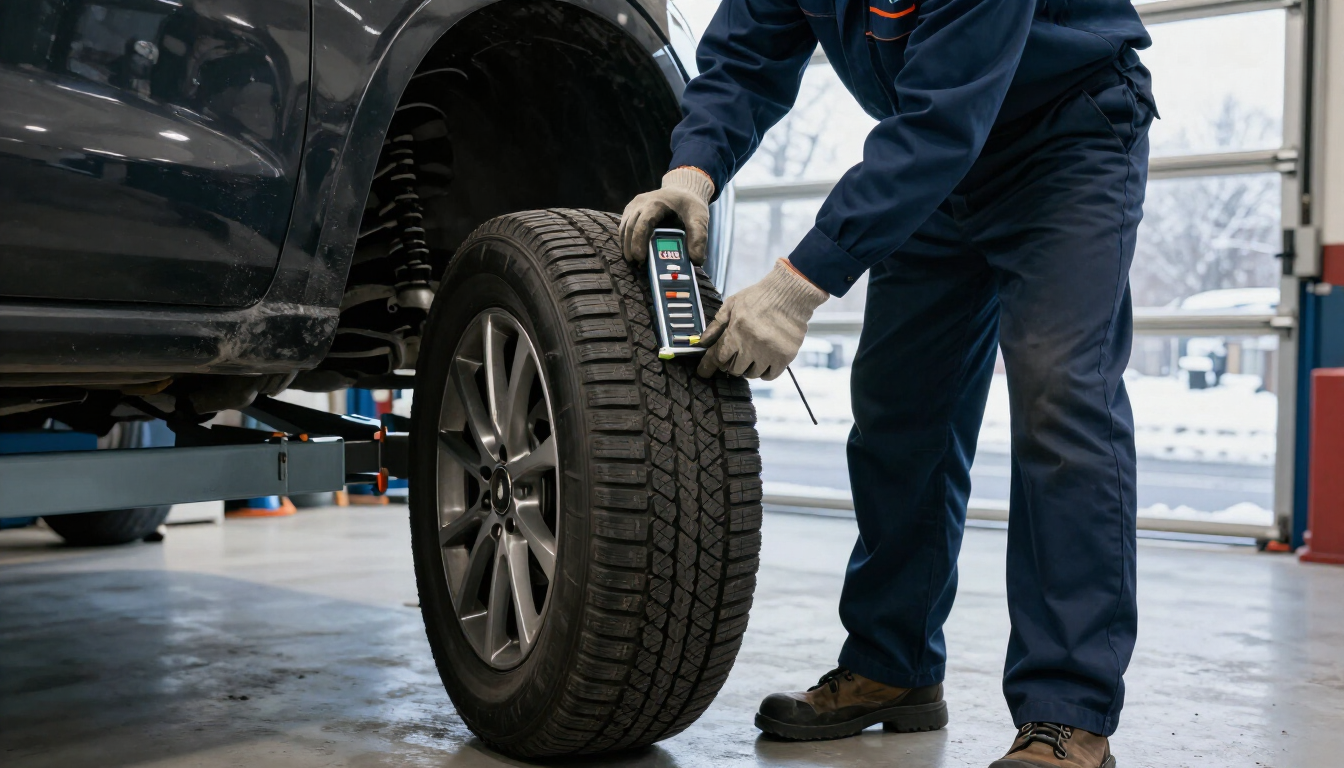
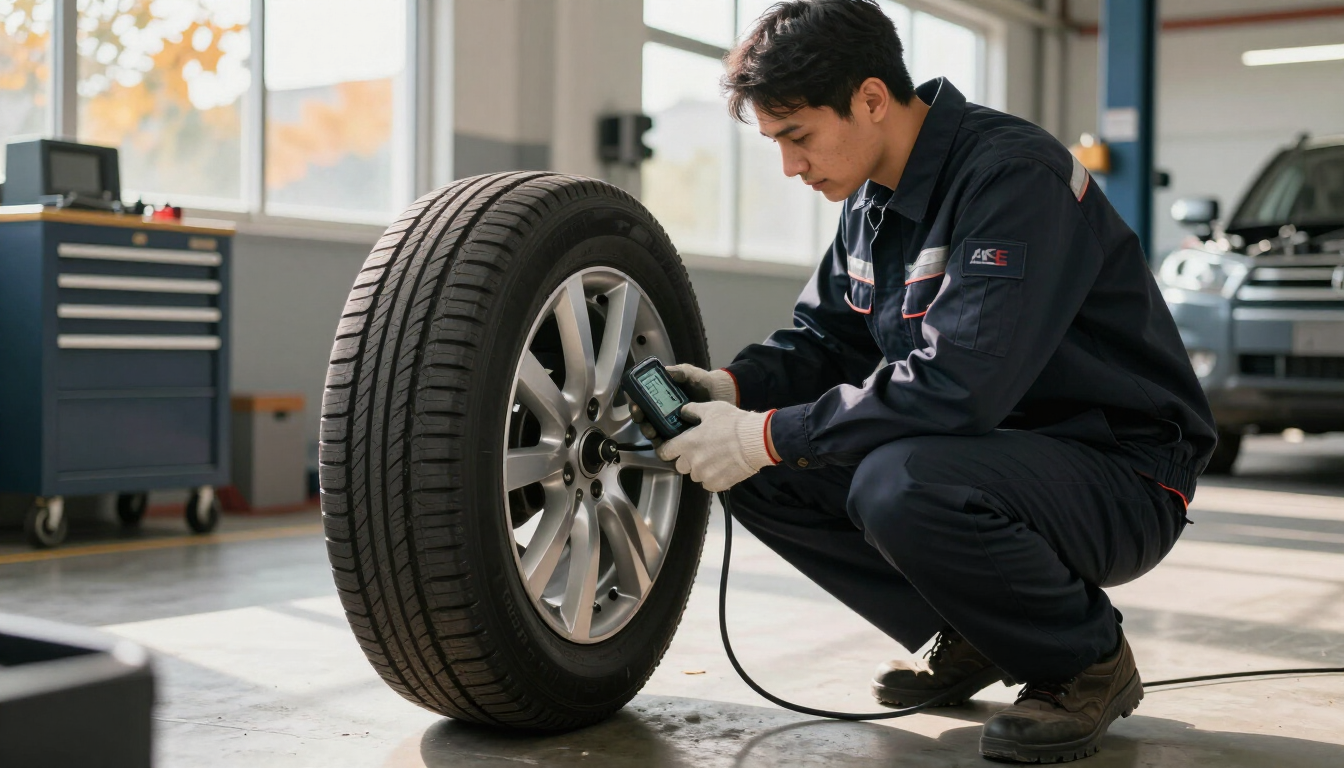
Tires can lose air and develop temporary or persistent flat spots while a vehicle remains stationary. Age matters, too: a tire may have plenty of tread but still be unsuitable because of its condition or service history.
Before storage, ask your technician to review:
- Tire age and visible condition
- Inflation requirements for the vehicle
- Signs of cracking, bulging, uneven wear, or damage
- Wheel and alignment concerns that could affect the tires
Your shop can explain the safest plan for your specific car and storage period. Avoid making assumptions based only on appearance. Our tire services include condition checks that can support a more informed storage decision.
4. Which fluids should be checked first?
Fluids deserve attention before a classic car sits. Low levels, contamination, leaks, and neglected service can become more troublesome when a vehicle is stored for months.
Ask the shop to review the engine oil, coolant, brake fluid, transmission fluid, and any other systems specific to your vehicle. The inspection should also look for seepage around hoses, seals, connections, and reservoirs.
This is not about adding products blindly. It is about confirming that the correct fluids are present, at appropriate levels, and in suitable condition for the vehicle. A pre-storage inspection can also identify a small leak before it becomes a larger repair. If the car is due for service, discuss oil changes with the technician before putting it away.
5. Does my engine need special oil?
Some classic engines—particularly engines with flat-tappet valvetrains—need careful oil selection. The wrong specification can increase wear risk, especially in an older engine that was designed around different lubrication requirements than many modern vehicles.
Tell your shop the engine’s year, rebuild history, camshaft type if known, and current service information. Ask the technician to confirm what oil specification is appropriate rather than choosing based on a familiar label or a general recommendation.
Older engines may have different needs from one another. Our resource on ZDDP for older engines provides additional background, but the final recommendation should be based on your specific engine and its condition.
6. What should be inspected before the car is covered?
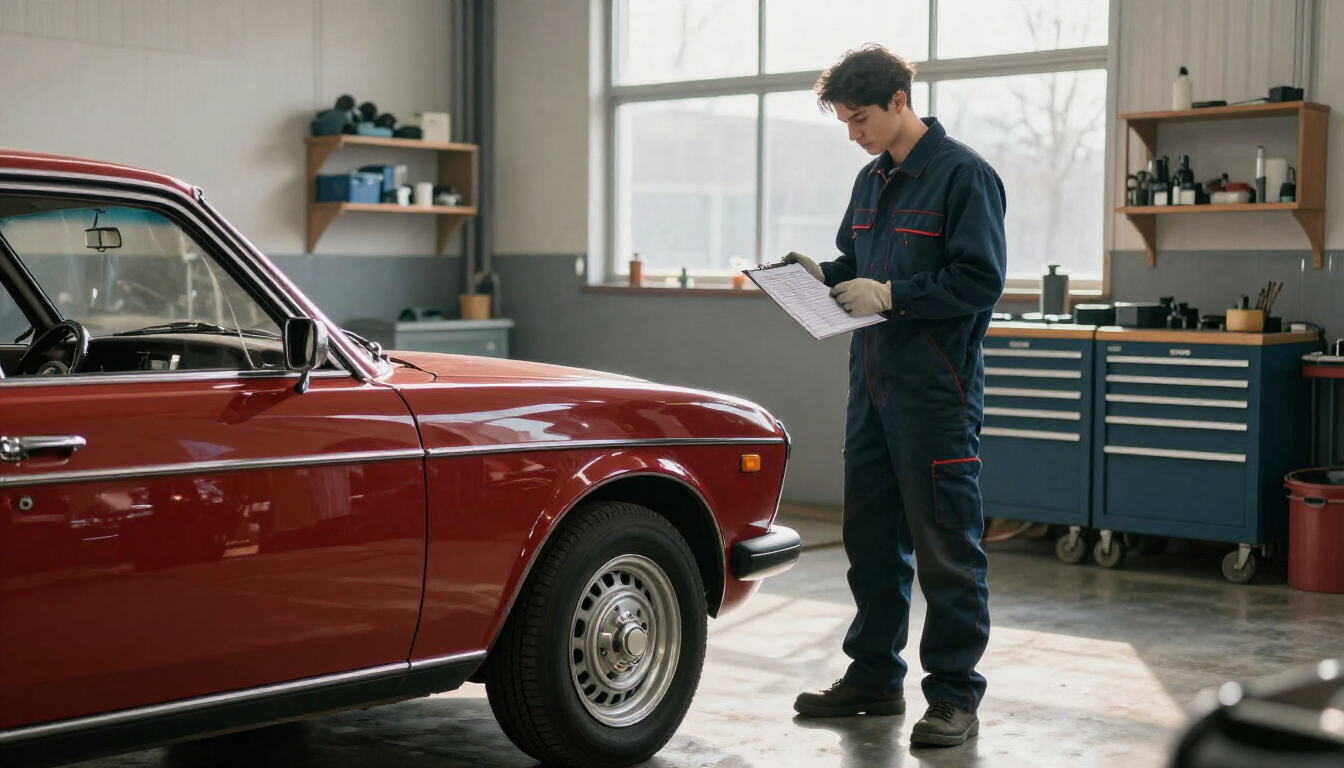
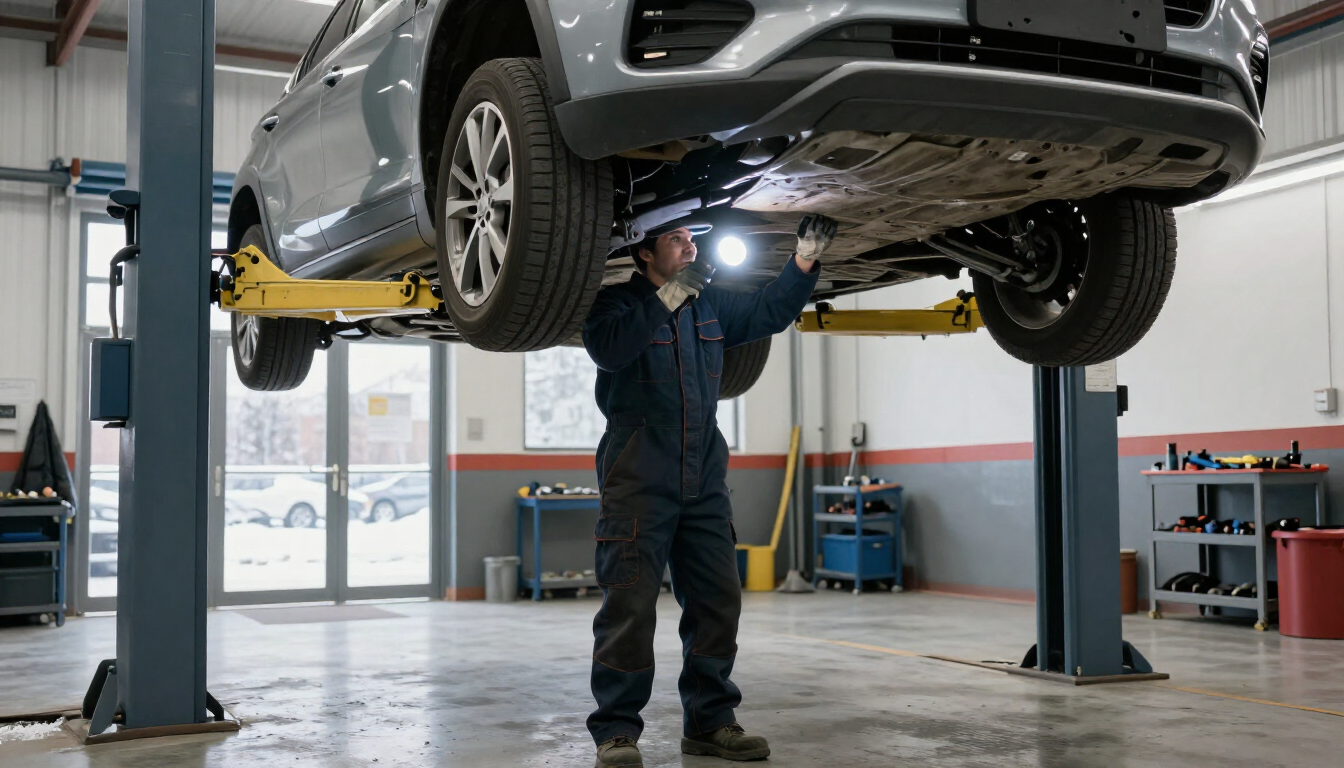
Winter storage is a good time to catch issues that could otherwise wait until the first warm weekend. Ask for a general inspection before the car is parked for the season.
That conversation may include:
- Belts, hoses, and cooling-system condition
- Brake, steering, and suspension concerns
- Evidence of leaks or fluid loss
- Rodent entry points or damaged wiring
- Starting, charging, and diagnostic concerns
A free 27-point safety inspection is available with each visit at Shade Tree Garage. We can explain what needs attention now, what can wait, and what should be checked again before the car returns to the road.
A note from an ASE-certified technician
Classic cars reward thoughtful maintenance. The best winter plan depends on the vehicle’s age, mechanical history, storage space, and how soon you expect to drive it again. If you are unsure, bring those questions to a qualified shop before the car sits—not after a spring starting problem appears.
Classic car winter storage checklist
Before covering your car, talk over these six points with your shop:
- Is the storage area dry, clean, and suitable for the vehicle?
- What battery plan fits the car’s electrical system?
- Are the tires safe for extended storage?
- Are the fluids clean, correctly specified, and free of concerning leaks?
- Does the engine require oil intended for its design, including flat-tappet considerations?
- What inspection or repair should happen before the vehicle is parked?
Final takeaway
Putting a classic car away for winter is a maintenance decision, not just a parking decision. The right conversation covers the storage environment, battery care, tires, fluids, engine oil, and any concerns that could become harder to address later. Ask your shop to tailor the plan to your vehicle’s age, engine design, history, and storage conditions. Then schedule any needed inspection or service before the car is covered. For classic owners in Morristown and nearby communities, contact Shade Tree Garage to discuss a careful winter storage plan.