
Why are my brakes making noise? (5 ways to tell)
Brakes make noise or pulse due to worn pads, glazed rotors, or sticking calipers. Squealing often signals thinning pads, while grinding indicates metal-on-metal contact. Pulsing usually stems from uneven rotor wear. Addressing these sounds early prevents costly damage and ensures your vehicle stops safely every time.
Why are my brakes squealing when I stop?
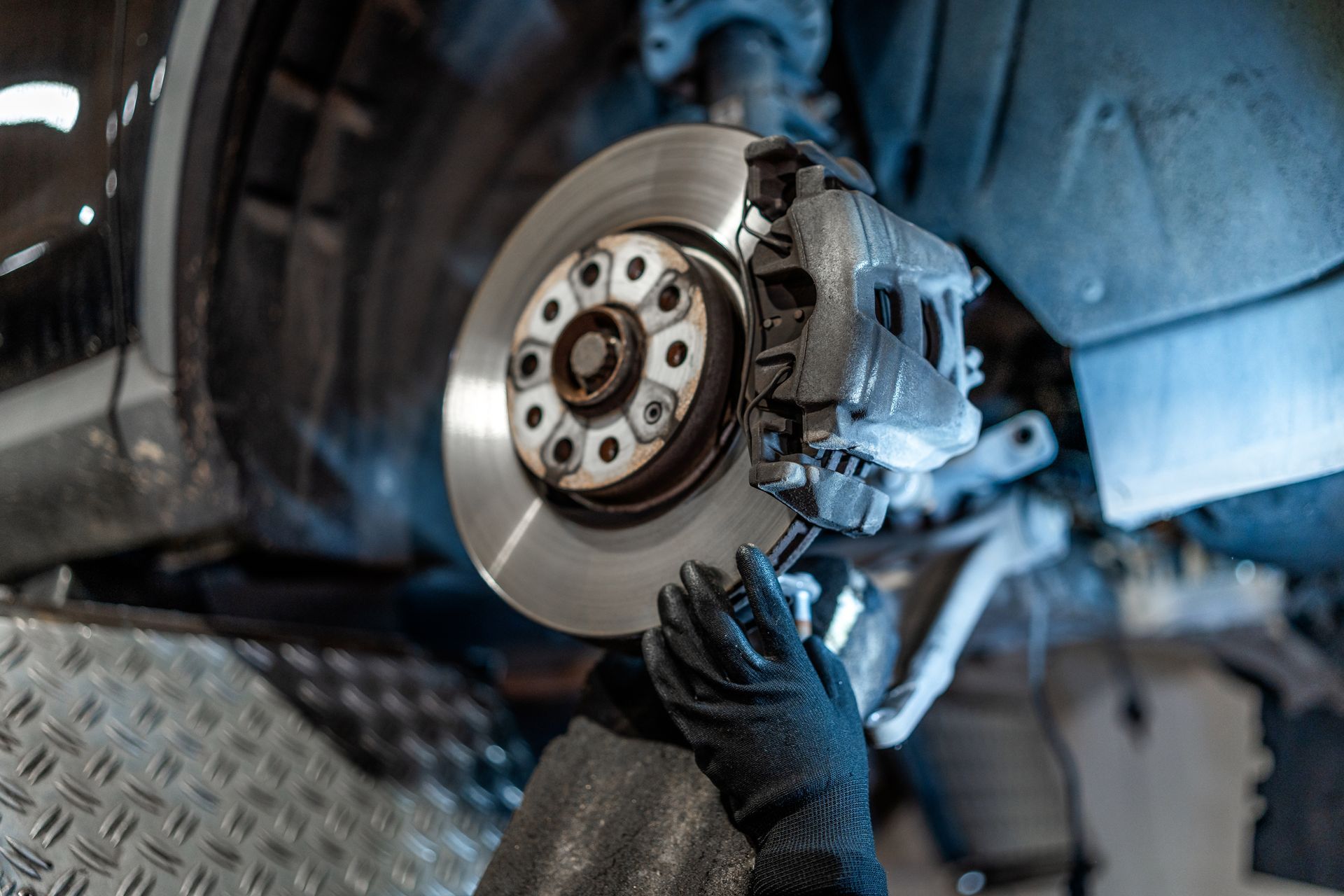
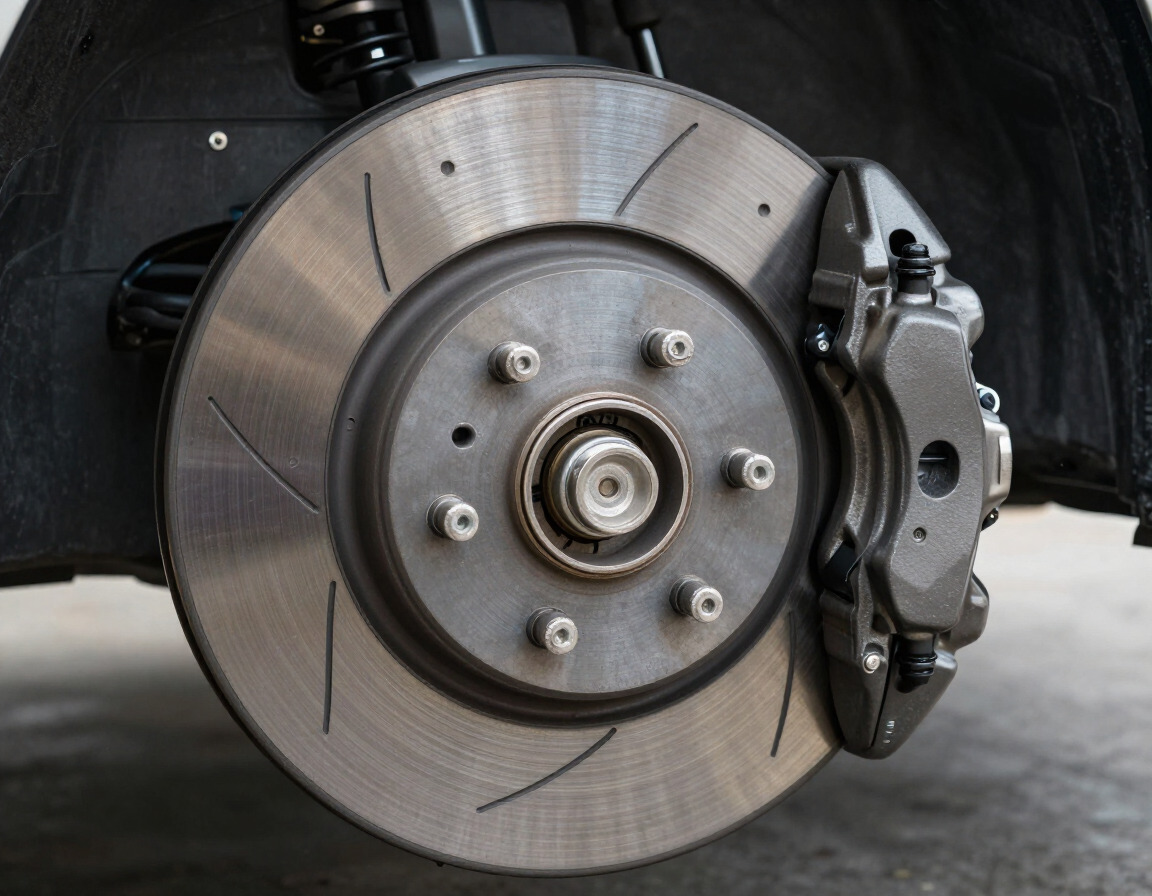
If you hear a high-pitched squeal every time you apply the brakes, your car is likely trying to tell you that the friction material on your pads is running low. Most modern brake pads are equipped with a small metal tab called a wear indicator. When the pad wears down to a specific thickness, this tab makes contact with the rotor, creating that unmistakable chirping or squealing sound. It is a built-in alarm clock for your BRAKE REPAIR needs, and it is designed to give you plenty of warning before things get dangerous.
However, a squeal isn't always about wear. Sometimes, it is the result of "glazing." This happens when the brakes get excessively hot—perhaps from riding the brakes down a long hill or heavy stop-and-go traffic in Morristown—causing the pad material to harden and become smooth and shiny. This smooth surface doesn't grip the rotor as effectively, leading to vibration and noise. In other cases, it might just be moisture or light surface rust that built up overnight, which usually disappears after the first few stops of your morning commute.
What causes a grinding sound when braking?
A grinding noise is a different animal altogether and usually indicates a more urgent situation. If you hear a loud, metallic scraping or grinding, it typically means the friction material on your brake pads has completely worn away. At this point, the metal backing plate of the pad is pressing directly against the metal brake rotor. This "metal-on-metal" contact is not just loud; it is damaging your rotors rapidly and significantly reducing your stopping power.
Common reasons for grinding include:
- Completely worn-out brake pads.
- A small rock or debris caught between the pad and the rotor.
- A seized brake caliper that is pressing the pad unevenly.
- Extreme rust buildup on the edges of the rotor.
- Worn wheel bearings (which can sometimes mimic brake noise).
When you reach the grinding stage, a simple pad replacement often turns into a more involved job because the rotors are frequently scored or gouged beyond the point where they can be resurfaced. As technicians who have been servicing vehicles since 1976, we always recommend addressing those early squeaks to avoid the added damage and expense that can come with waiting too long.
If your brakes have progressed from an occasional squeak to a consistent grinding sound, don’t put off having them inspected. Continuing to drive can cause additional damage to the braking system and compromise your vehicle’s ability to stop safely.
DON’T IGNORE WHAT YOUR BRAKES ARE TELLING YOU
Your brakes are designed to give you warning signs before a minor maintenance issue becomes a major repair. A high-pitched squeak may simply mean your brake pads are nearing the end of their life, while grinding often signals that the pads have worn down far enough to allow metal-on-metal contact.
Paying attention to changes in the way your brakes sound and feel can help you catch problems earlier. Along with unusual noises, watch for a soft or spongy brake pedal, vibrations while braking, pulling to one side, longer stopping distances, or a brake warning light on your dashboard.
The sooner these symptoms are inspected, the better chance you have of preventing unnecessary damage to your rotors, calipers, and other braking components.
SCHEDULE A BRAKE INSPECTION
If you’re hearing squeaking, squealing, scraping, or grinding when you brake, it’s worth having the system checked by an experienced technician. A professional brake inspection can determine whether you simply need new pads or if another component is contributing to the noise.
Don’t wait for a small sound to become a bigger repair. Having your brakes inspected at the first sign of trouble can help keep your vehicle safe, reliable, and ready for the road.