
How to Handle a Tire Pressure Light in Cold Weather

Samantha Boylls

A tire pressure light often comes on during the first cold October morning because colder air reduces the pressure inside your tires. Check each tire when cold and inflate it to the vehicle manufacturer’s door-jamb specification. If the warning returns, report it to a qualified technician for evaluation.

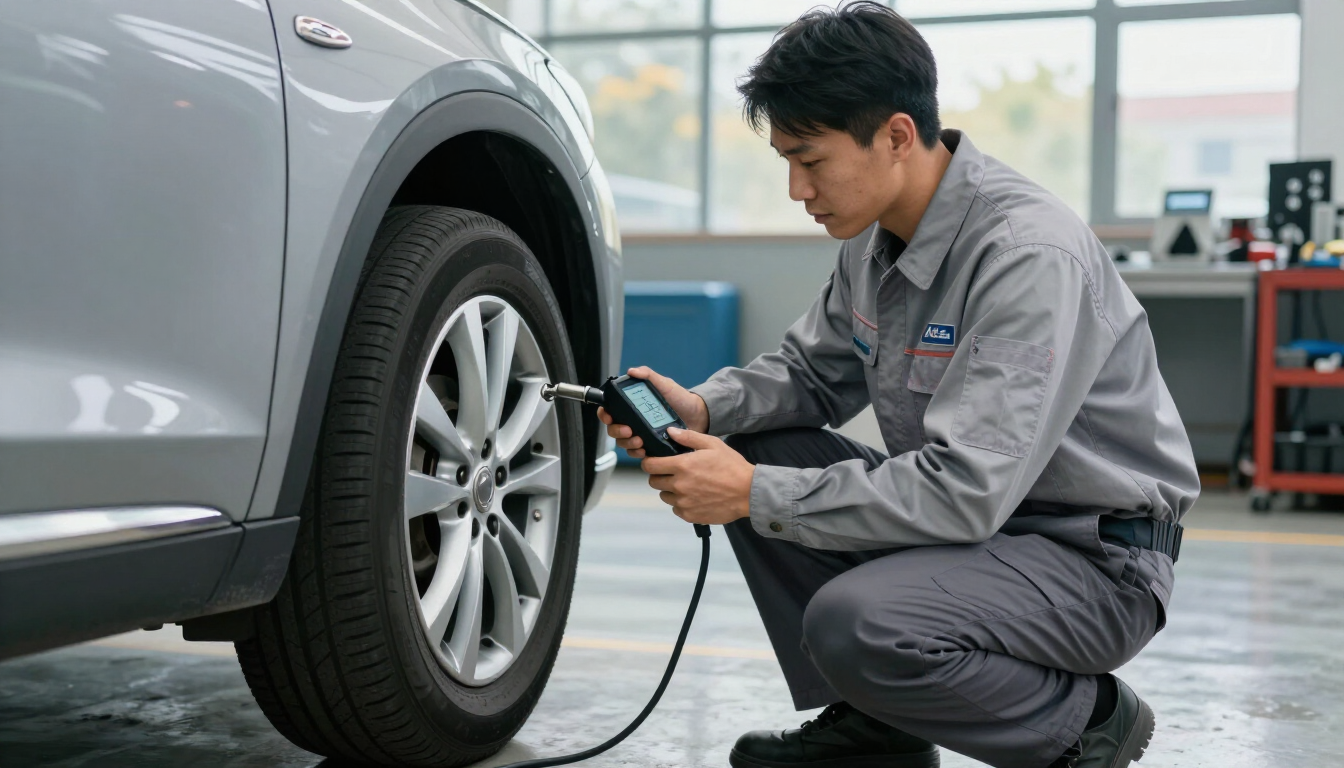
ASE-certified technician checking tire pressure light concerns in a clean bay

Why does the tire pressure light come on when temperatures drop?

Air contracts as temperatures fall. That means the air inside a properly inflated tire can occupy slightly less volume on a chilly morning, causing the measured pressure to drop enough to trigger the tire pressure monitoring system.

This is especially noticeable when the temperature changes quickly overnight. A tire that was close to the lower edge of its recommended range may illuminate the warning even though it did not appear obviously low the day before.

A cold-weather warning does not automatically identify the cause. It is a reason to check all four tires, follow the vehicle’s specifications, and pay attention to whether the warning disappears or returns.

Cold air versus a tire problem

A temperature-related pressure change may be temporary, but recurring warnings deserve attention. A tire can lose pressure because of a puncture, valve-related concern, wheel issue, or another condition that is not visible at a glance.

Do not rely on appearance alone. Radial tires can look normal while being underinflated, and driving on incorrect pressure can affect handling, braking, tire wear, and fuel efficiency.

How should you check tire pressure?

Use a reliable tire-pressure gauge and check the tires when they are cold—ideally before driving or after the vehicle has been parked for several hours. Then compare the reading with the vehicle manufacturer’s recommended specification.

Follow these steps:

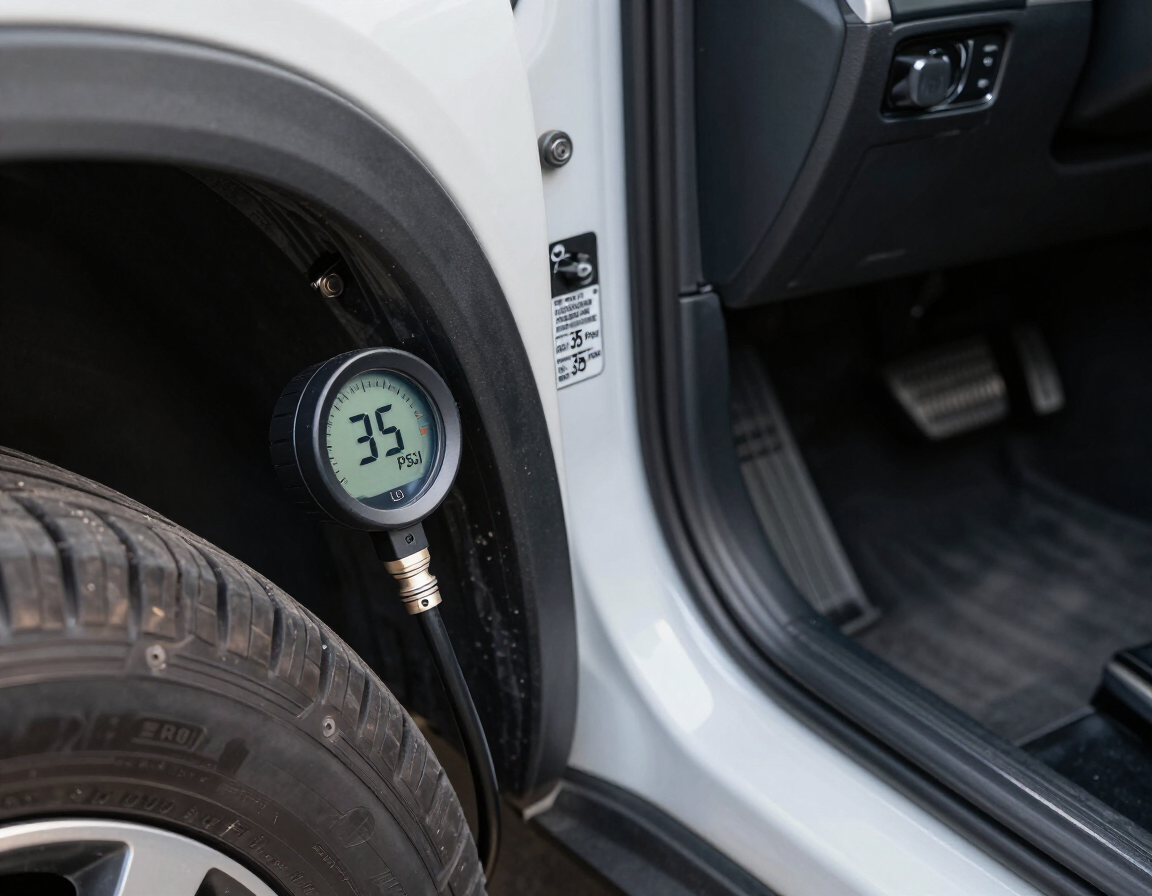
  1. Find the tire-pressure label on the driver’s doorjamb or door-frame area. The number listed there is the vehicle-specific reference—not the maximum pressure printed on the tire sidewall.
  2. Remove the valve cap and press the gauge firmly onto the valve stem.
  3. Check every tire, including the spare if your vehicle has one.
  4. Add or release air as needed to match the door-jamb specification.
  5. Replace each valve cap and follow the vehicle’s instructions for resetting or confirming the monitoring system.

Pressure can vary between the front and rear axles, so use the specifications shown for your vehicle. If you are unsure how to interpret the label or warning, ask a technician rather than guessing.

Digital tire gauge against a vehicle door-jamb pressure specification

What does a recurring tire pressure light mean?

If the tire pressure light keeps returning after you set the tires to the correct specification, report that pattern. The warning may indicate that pressure is changing again or that the monitoring system needs further evaluation.

Helpful information to share includes:

  • When the warning appeared
  • Whether it followed a major temperature change
  • Which tires you checked
  • The pressure readings you found
  • Whether the light went out and later returned
  • Any vibration, pulling, handling change, or visible tire damage

This information helps a technician understand the concern without assuming a cause from the warning light alone. Shade Tree Garage combines modern diagnostic equipment with decades of hands-on automotive experience, including service for European, performance, classic, and everyday vehicles.

For related maintenance, explore our tire services or diagnostics pages.

When should you bring the vehicle in?

Bring the vehicle in promptly if the tire pressure light returns repeatedly, if you cannot maintain the recommended pressure, or if you notice changes in handling. A professional inspection can help identify a concern that a basic pressure check cannot confirm.

Stop driving and arrange assistance if you see exposed cords, severe sidewall damage, a bulge, a rapidly deflating tire, or other obvious structural damage. Visible cord means stop driving. Do not attempt to solve that condition by simply adding air.

You should also avoid continuing a trip when a tire is losing pressure quickly or the vehicle feels unstable. Move to a safe location when possible and seek appropriate help.

A practical cold-morning checklist

Before commuting on a cold October morning:

  • Check all tire pressures while the tires are cold.
  • Use the door-jamb specification.
  • Look for visible damage or unusual wear.
  • Notice whether the warning clears or returns.
  • Report recurring warnings to a qualified technician.
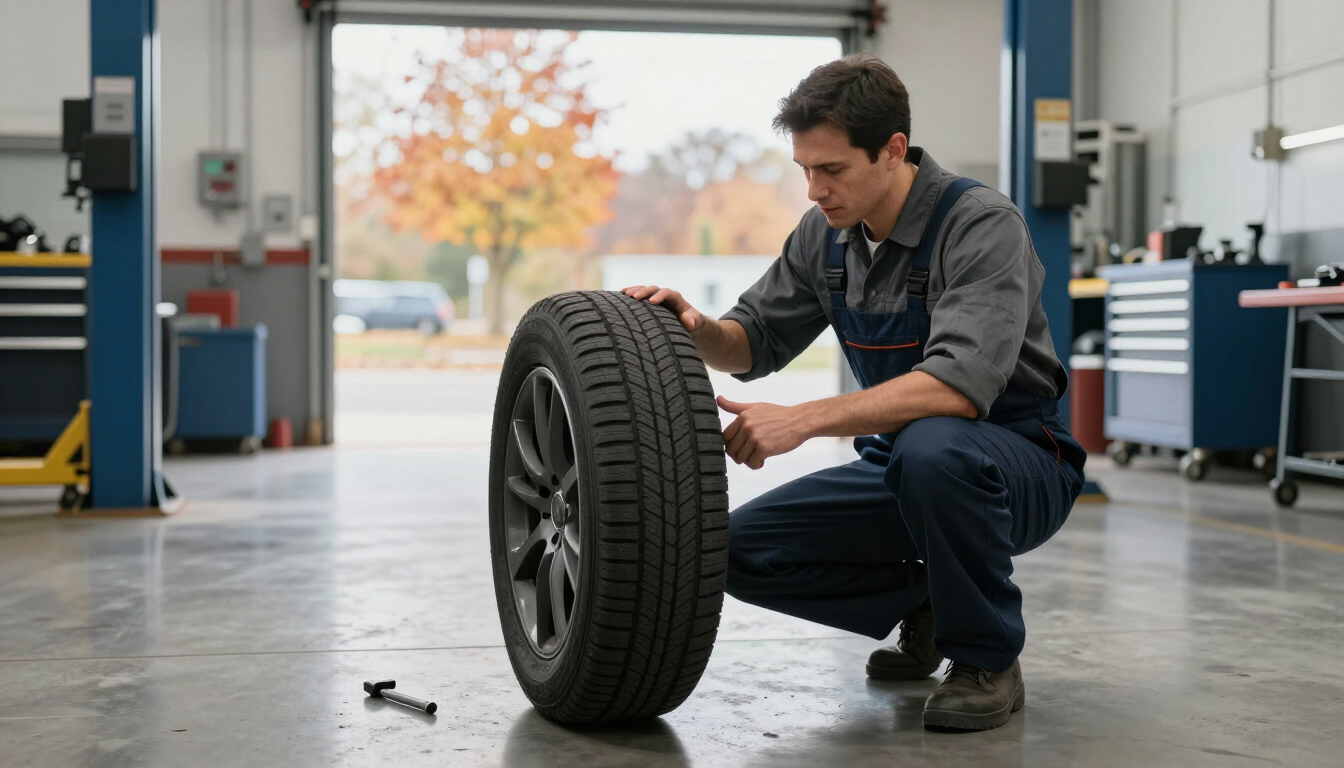
Technician inspecting a tire tread and sidewall in a clean automotive service bay

The takeaway

Cold October air can lower tire pressure enough to switch on the tire pressure light, but the warning should not be ignored. Check every tire when cold and inflate them to the specification on the driver’s doorjamb. If the light returns, pressure will not stay set, handling changes, or you see visible damage, have the vehicle evaluated. For exposed cord or serious tire damage, stop driving and arrange assistance. Start with the correct pressure check, then use the warning’s pattern to decide whether professional attention is needed.

Technician checking a car heater in a clean Morristown auto repair shop
By Samantha Boylls • October 5, 2026
Learn five possible reasons your car heater blows cold or weak as Morristown temperatures drop—and when to stop driving or bring it to Shade Tree Garage.
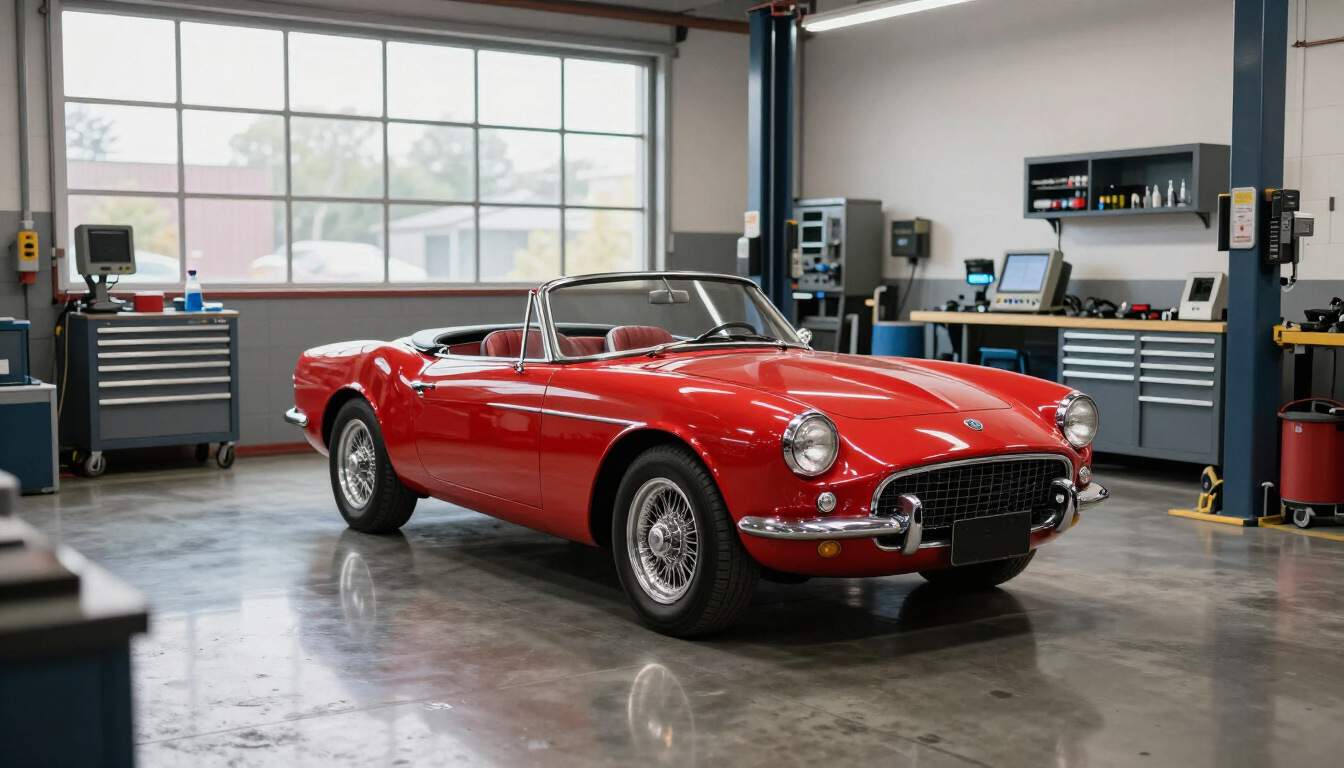
Classic car in a clean Morristown shop bay for fall maintenance.
September 28, 2026
Learn how to prepare your classic car for fall driving or storage with our ASE-certified technician's checklist, covering ZDDP oil, tires, and fluids.
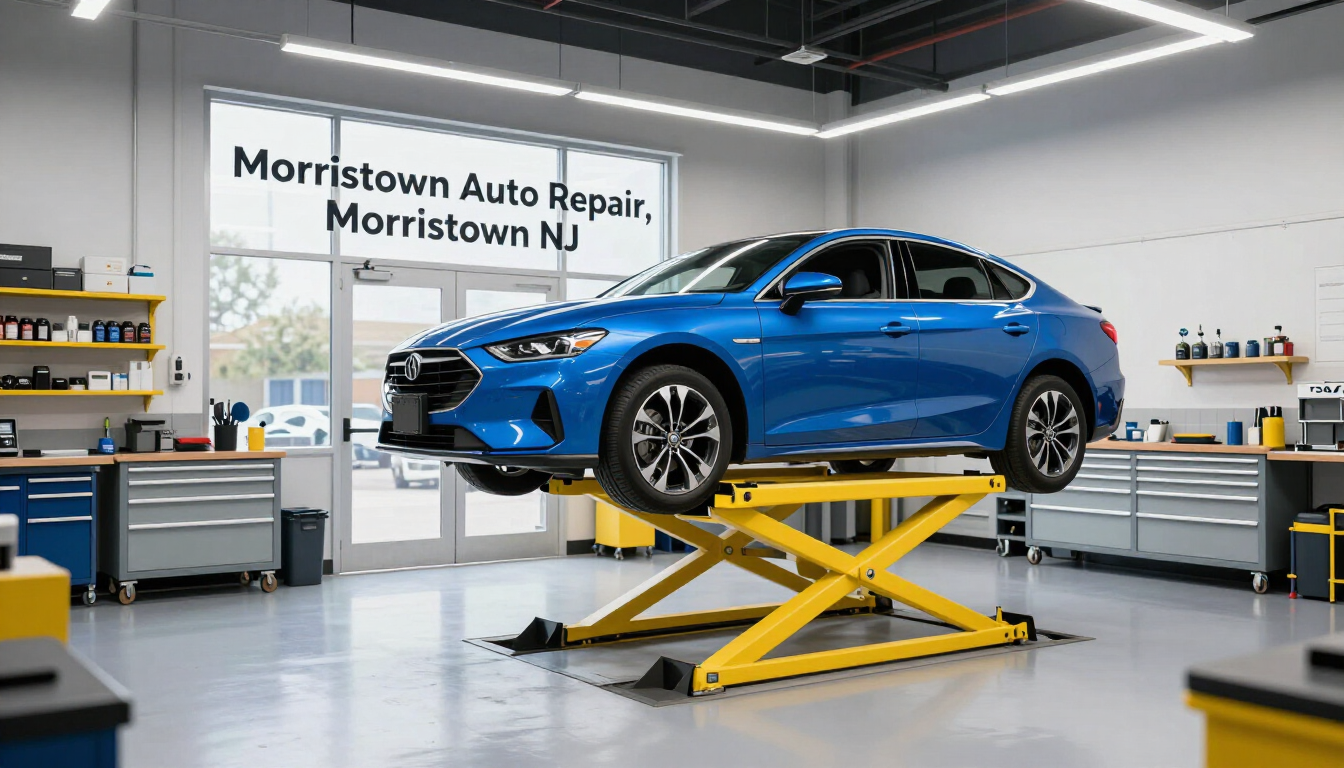
Modern vehicle on a professional lift in a Morristown NJ auto repair shop
September 21, 2026
Worried about brake noise? Learn what squealing, grinding, and pulsing mean from our ASE-certified techs in Morristown. Expert tips on when to seek brake repair.

Mechanic using a diagnostic scan tool on a European car dashboard
September 14, 2026
Expert advice from ASE-certified technicians on maintaining your BMW, Porsche, Mercedes, or Audi after summer heat. Learn about cooling systems, fluids, and belts.
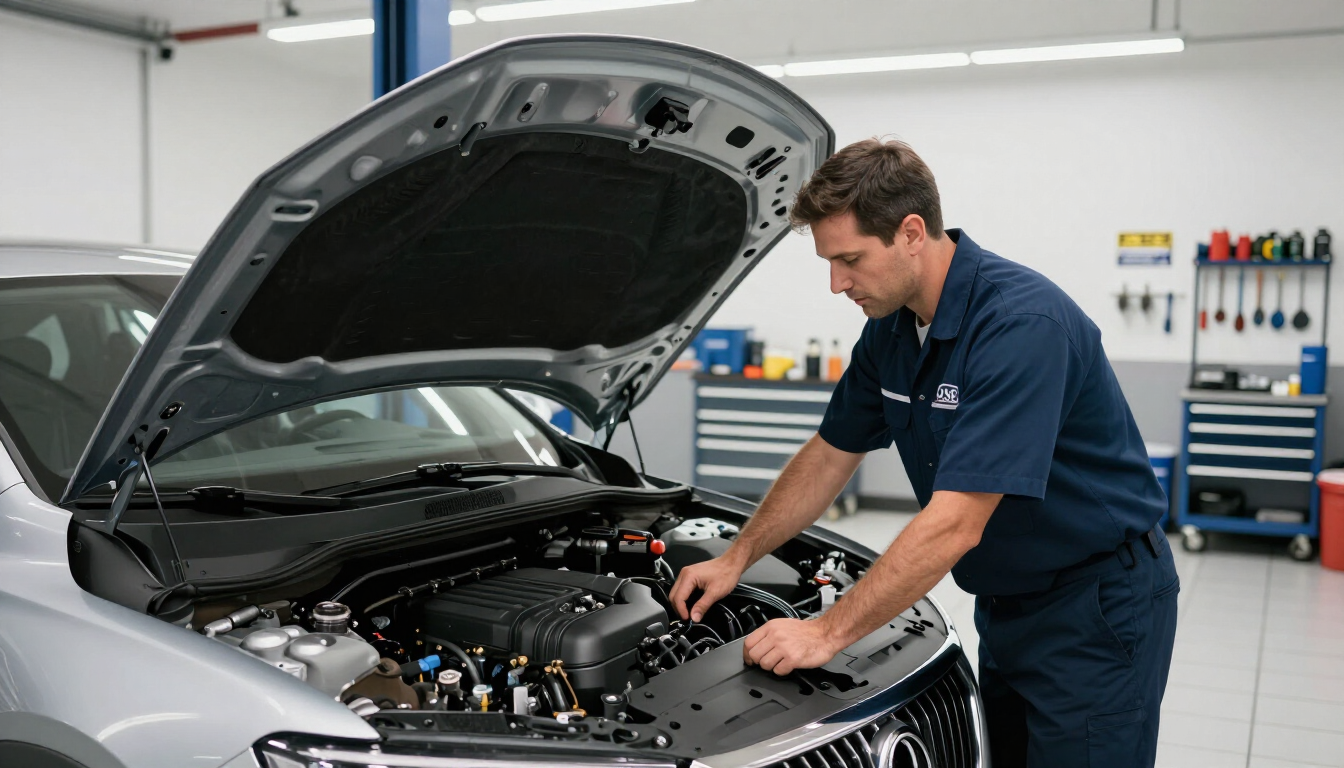
ASE certified technician performing a fall car maintenance inspection in Morristown NJ.
September 7, 2026
Prepare your vehicle for winter with our expert fall car maintenance checklist. Learn about battery health, fluids, and more from Shade Tree Garage.
August 31, 2026
Prepare your vehicle for New Jersey's changing seasons with expert seasonal maintenance in Morristown, NJ. Learn how Shade Tree Garage helps keep your car safe and reliable year-round.

By Shade Tree Garage • August 25, 2026
Our team spent a day cooking and serving meals at Homeless Solutions in Morristown — our second year volunteering, with next year already booked.

August 17, 2026
Keep your business moving with professional fleet maintenance in Morristown, NJ. Learn how Shade Tree Garage helps reduce downtime, improve safety, and extend the life of commercial vehicles.
August 10, 2026
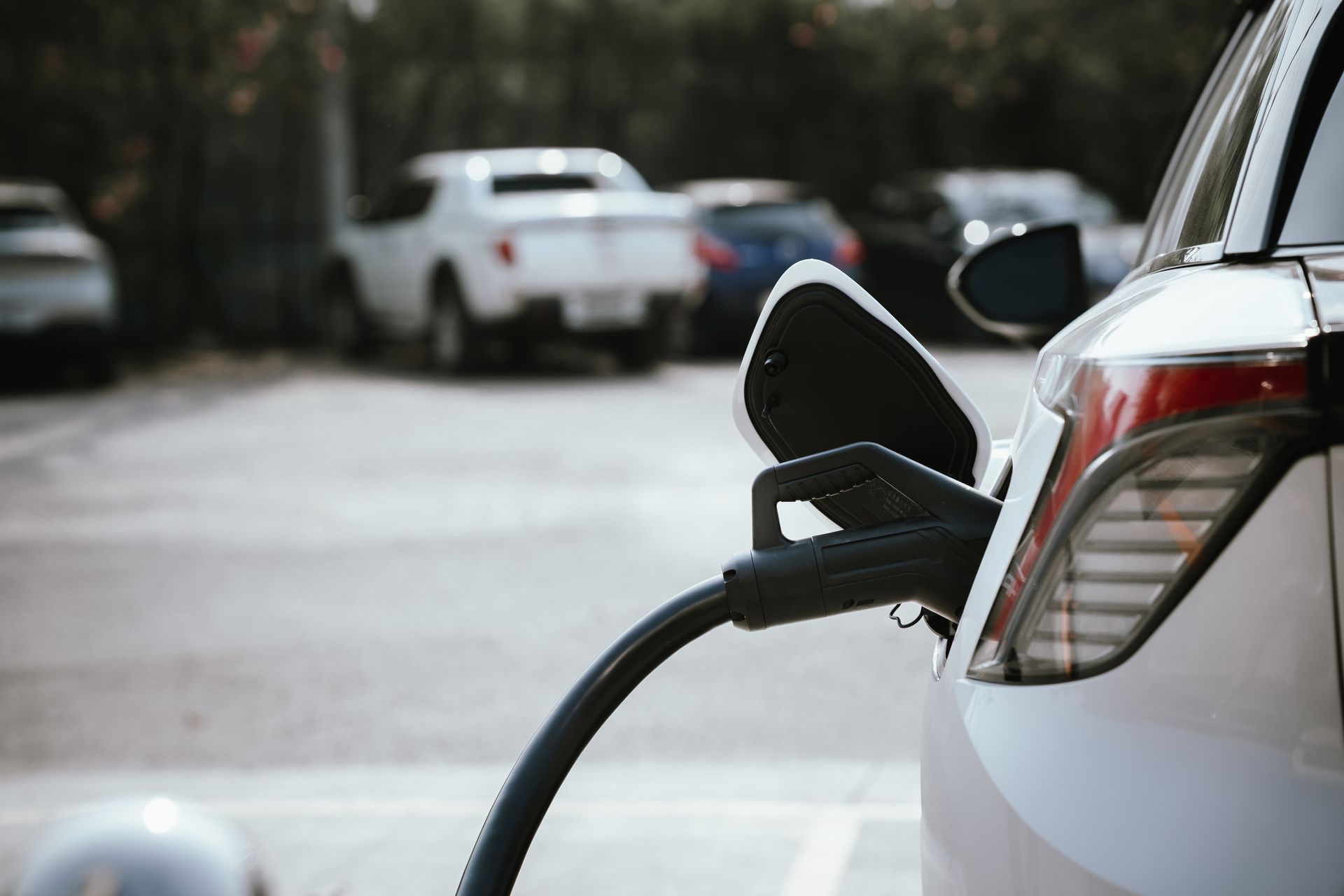
Looking for hybrid or electric vehicle service in Morristown, NJ? Learn how proper maintenance and diagnostics help keep your hybrid or EV safe, reliable, and performing at its best.
August 3, 2026
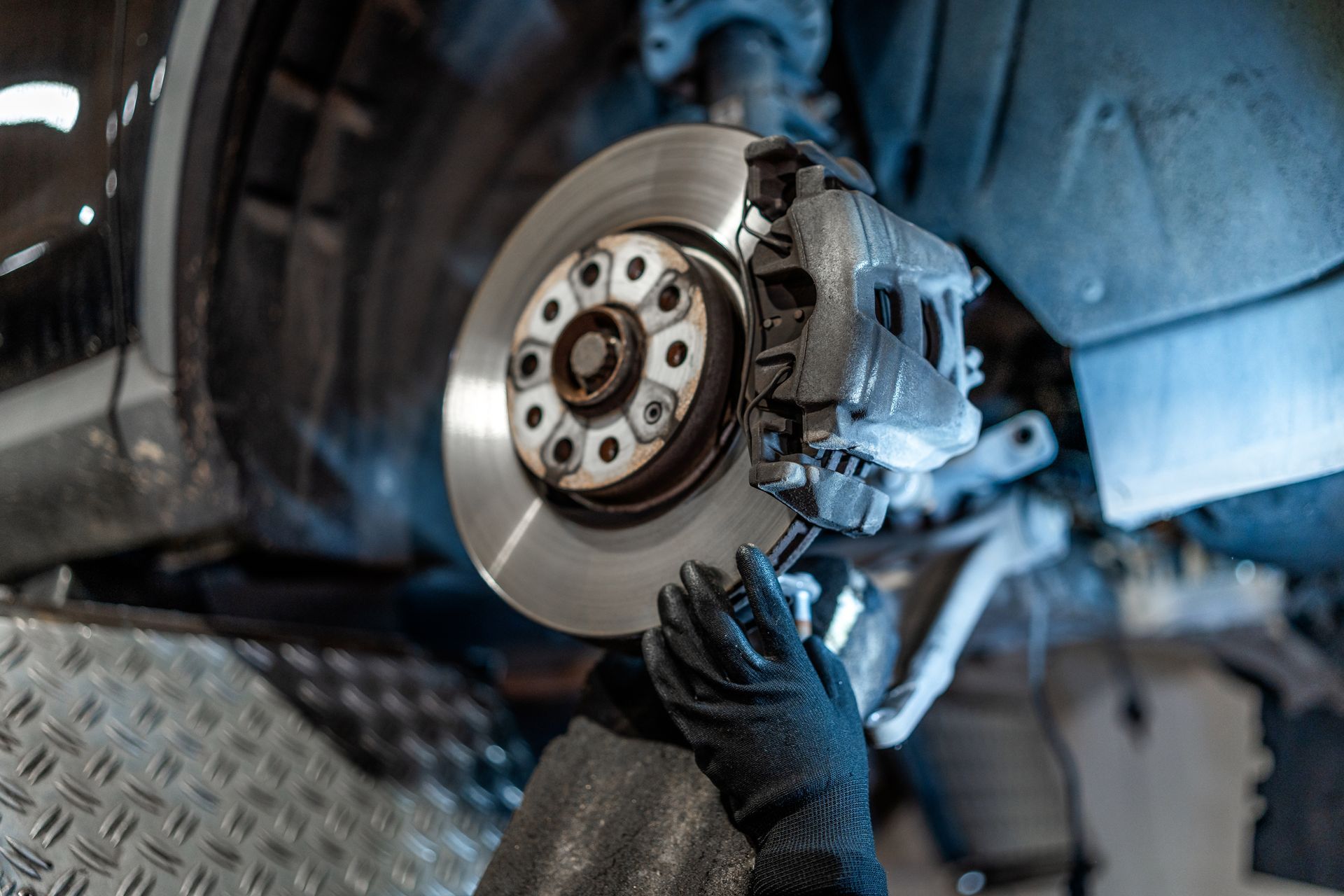
Need brake repair in Morristown, NJ? Learn the warning signs of worn brakes, when to schedule service, and how Shade Tree Garage helps keep your vehicle safe on the road.
Show More