How to Choose Winter Tires vs All-Season Tires
Winter tires and all-season tires are designed for different conditions. Winter tires use flexible rubber and deeper, specialized tread to maintain grip in cold, snowy weather. All-season tires are a reasonable choice for drivers who mainly encounter wet or dry roads, occasional light snow, and moderate winter temperatures—not consistently icy or heavily snow-covered roads.
What is the difference between winter tires and all-season tires?
The simplest difference is how each tire is engineered to behave in cold weather.
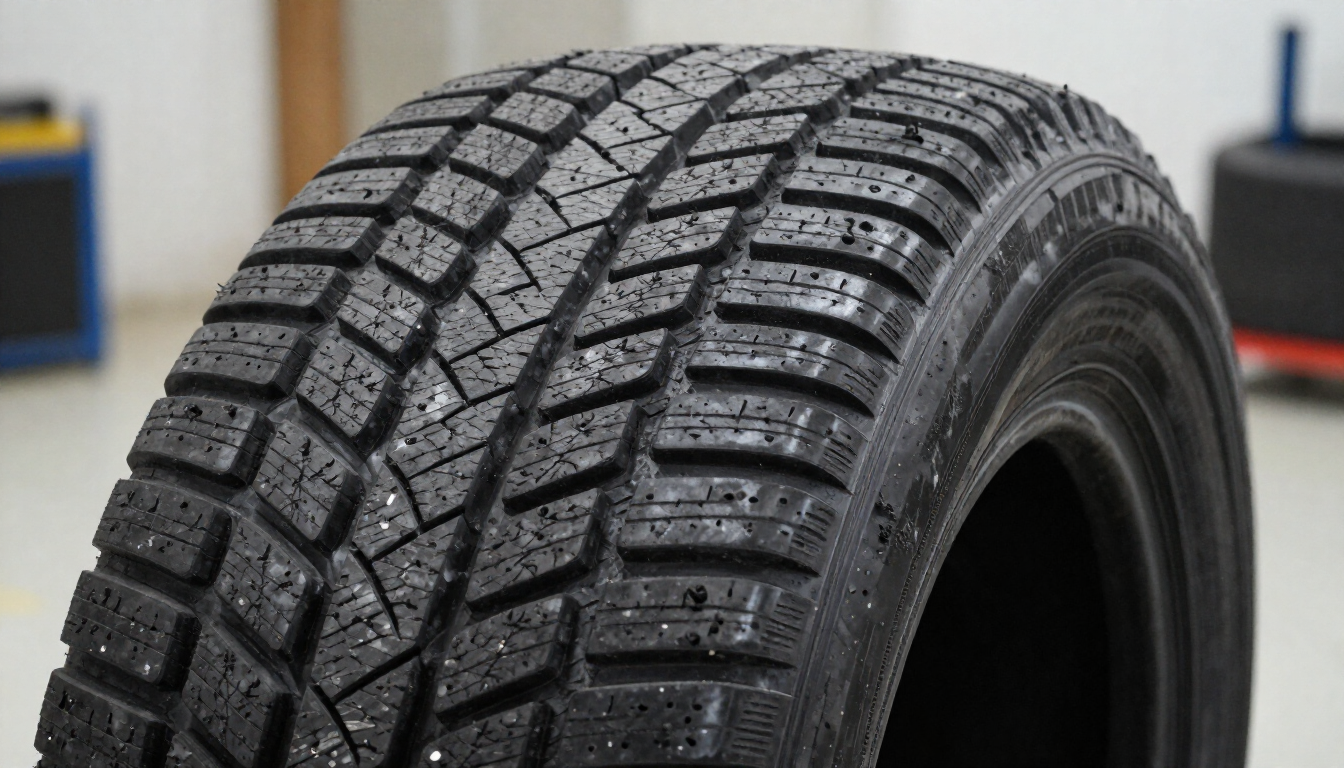
Winter tires are built for low temperatures, snow, slush, and icy surfaces. Their rubber remains more flexible as temperatures fall, helping the tread contact the road instead of becoming hard and less responsive. Their tread patterns also include more biting edges and channels to help find traction in snow and move water or slush away from the contact area.
All-season tires are designed as a compromise. They can perform well across a broad range of conditions, including rain, dry pavement, and light winter weather. However, “all-season” does not mean “ideal for every season.” They may lose flexibility and traction as the weather becomes consistently cold.
For drivers new to Morris County, the best choice depends less on the name printed on the sidewall and more on your commute, parking situation, driving habits, and the severity of the winter conditions you regularly face.
How does tread affect winter traction?
Tread is the portion of the tire that touches the road. Its depth, shape, and condition all influence braking, cornering, and acceleration.
Winter tire tread is designed with features that help create traction on snow and packed surfaces, including:
- Deeper grooves that help clear snow and slush
- Small cuts, called sipes, that create additional gripping edges
- Blocks shaped to remain effective on slippery pavement
- Channels that help move water away from the contact patch
Tread cannot compensate for every problem. A tire with uneven wear, cracking, bulges, or insufficient remaining tread may not perform safely, regardless of whether it is a winter or all-season model. Checking tread across several points—not just one location—can reveal alignment, suspension, or inflation-related wear.
Our tire services team can inspect tread condition and wear patterns as part of a broader vehicle check.
Why does the rubber compound matter?
Tire rubber changes with temperature. As the air gets colder, many all-season compounds become firmer. A firmer tire may provide less road contact and reduced grip during braking or cornering.
Winter tires use a compound formulated to stay more pliable in cold conditions. That flexibility helps the tread conform to small irregularities in the pavement, snow, or ice. The result is typically more predictable traction when temperatures remain low.
This does not mean winter tires are always better. On warm, dry pavement, they can wear more quickly and may feel less precise than an appropriate all-season tire. They are a seasonal tool: most useful when cold weather is a regular part of your driving environment.
Why does cold weather lower tire pressure?
Cold air takes up less space than warmer air, so tire pressure can decrease when temperatures drop. The tire has not necessarily developed a leak; the change may simply reflect the effect of colder air inside it.
Lower pressure can affect handling, braking, rolling resistance, and tread wear. It can also make it harder to identify whether a tire has a slow leak. Check your vehicle’s recommended pressure using the information provided by the vehicle manufacturer, and check when the tires are cold. Do not rely only on how a tire looks.
If pressure changes repeatedly in one tire, schedule an inspection. A technician can look for a puncture, damaged valve, wheel issue, or other cause. You can also combine this check with routine preventative maintenance .
Are all-season tires enough for New Jersey winters?
For many drivers, yes. All-season tires may be enough if you:
- Drive mostly on treated or cleared roads
- Can delay or avoid driving during major storms
- Have a short, low-speed commute
- Encounter mostly rain, cold pavement, and occasional light snow
- Have tires with healthy tread and even wear
An all-season tire is less likely to be enough if you regularly drive before roads are cleared, travel through rural or hilly areas, commute at night or early morning, or need dependable traction during frequent snow and ice. Drivers with steep driveways or roads that remain untreated may also benefit from the added cold-weather capability of winter tires.
Vehicle type matters, but four-wheel drive or all-wheel drive does not eliminate the need for suitable tires. Those systems can help a vehicle move forward; they do not create extra braking grip on a slippery road.
When should you choose winter tires?
Consider winter tires when cold-weather traction is a priority and your driving cannot pause during storms. They can be especially helpful for drivers who:
- Travel daily regardless of weather
- Drive on unplowed, hilly, or secondary roads
- Frequently encounter packed snow or icy conditions
- Transport family members or valuable equipment
- Want a dedicated setup for the coldest months
Winter tires should be installed as a complete set. Mixing winter and non-winter tires can create inconsistent handling and traction between the front and rear of the vehicle. A technician can help you evaluate fitment, tread condition, storage considerations, and the best seasonal timing for your vehicle.
How can you check tread depth and tire condition?
A visual check is useful, but it is not a complete inspection. Look for these warning signs:
- Tread worn close to the built-in wear indicators
- Uneven wear along one edge or across the tread
- Cracks in the sidewall or between tread blocks
- Bulges, cuts, punctures, or exposed cords
- Vibration, pulling, or a new change in road noise
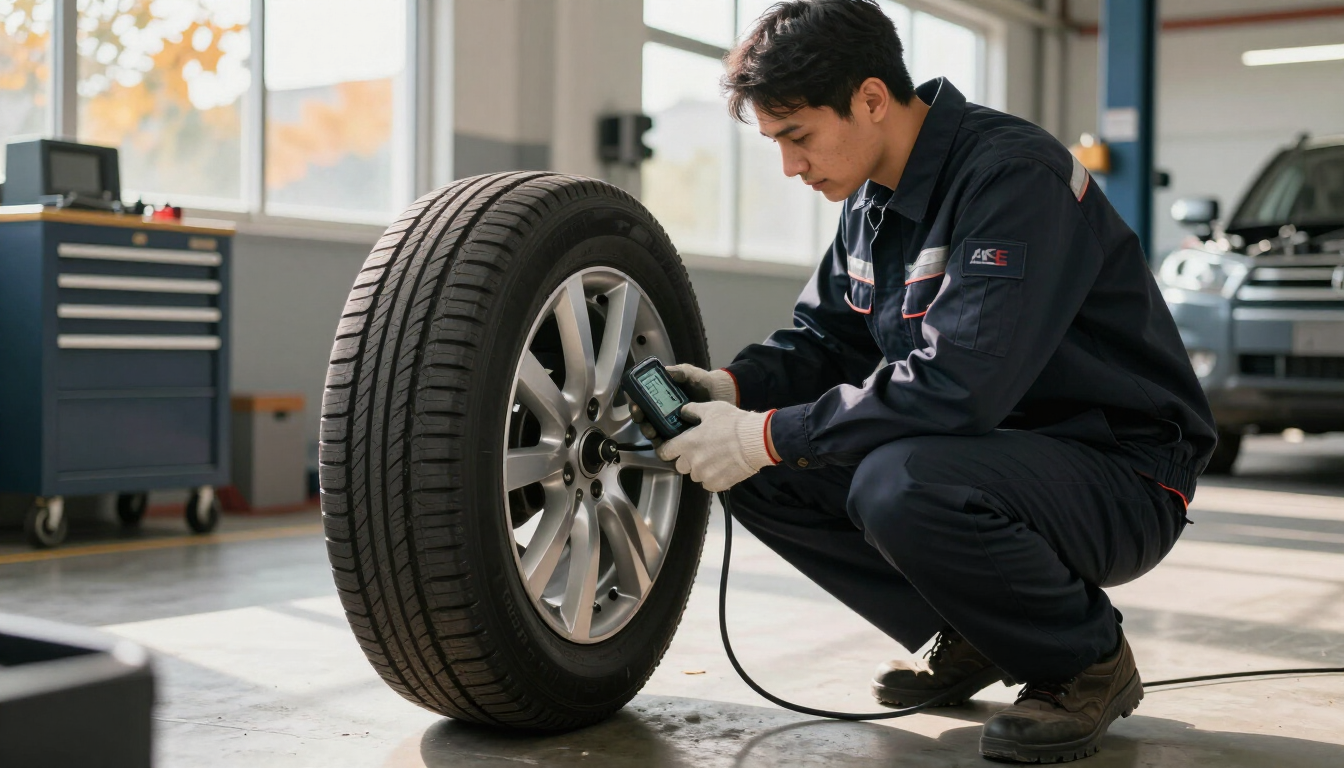
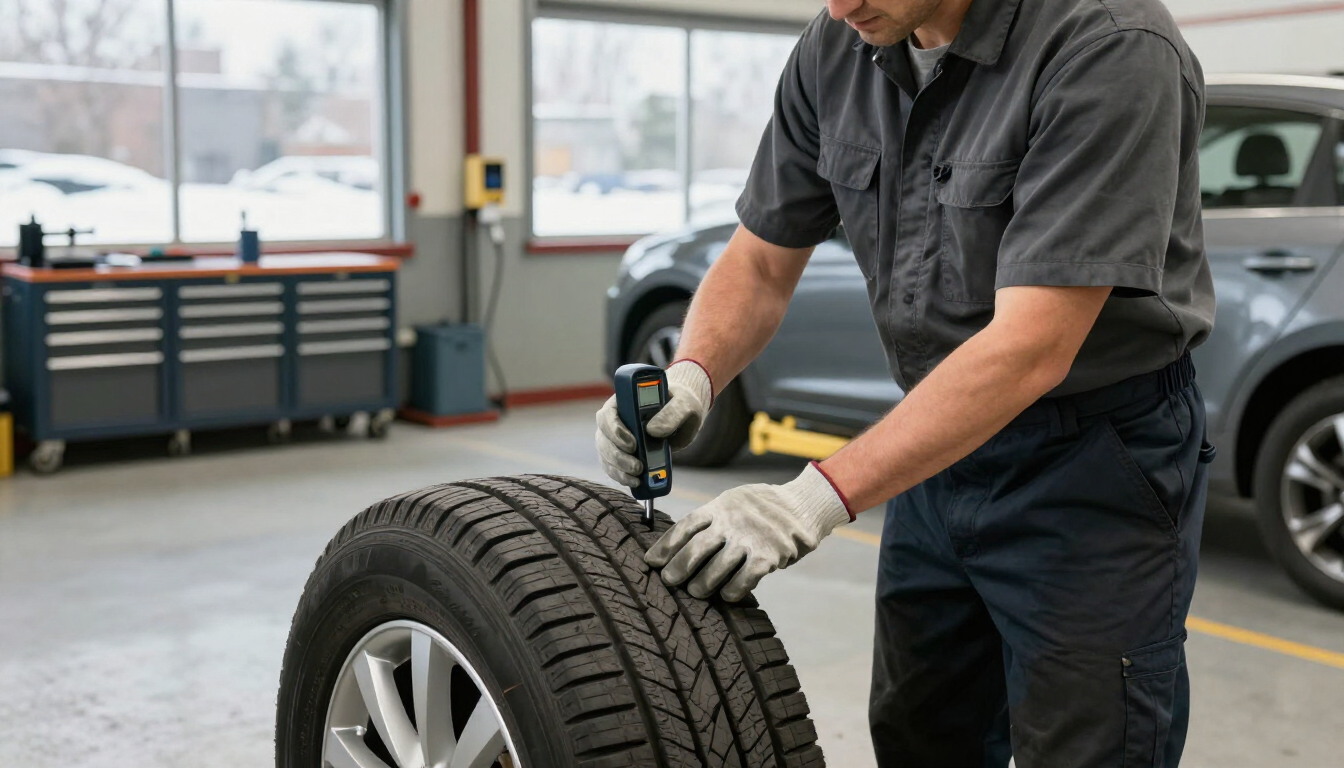
Tread depth should be measured with an appropriate gauge rather than estimated by sight. Measurements should be taken in multiple locations because a tire can look acceptable in one area and be significantly more worn in another.
Uneven tread may point to an alignment or suspension concern. If you notice feathering, cupping, or scalloped wear, ask for a complete evaluation instead of replacing tires without investigating the cause. Our alignments and suspensions services can help identify related problems.
When should you bring your vehicle in?
Bring your vehicle in before the first major storm—not during it—if you are deciding between winter and all-season tires. An early inspection gives you time to assess tread, wear, pressure, wheel condition, and overall readiness.
Schedule an evaluation promptly if:
- Your vehicle slips or feels unstable on wet or cold roads
- The tires have uneven wear or visible damage
- A tire repeatedly loses pressure
- You feel vibration through the steering wheel
- You are unsure whether your current tires are suitable for your commute
- Your vehicle has been sitting unused since moving from a warmer climate
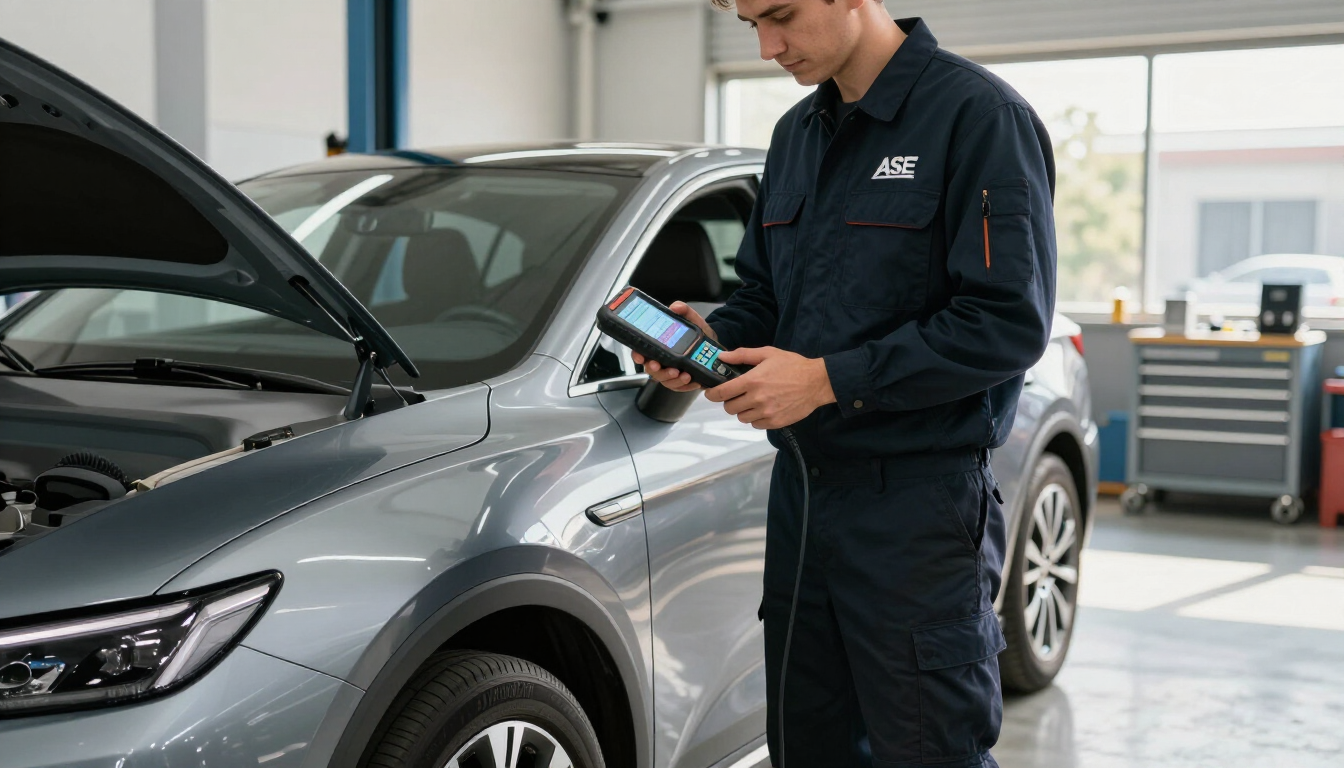
At Shade Tree Garage, an independent Morristown shop serving drivers since 1976, an ASE-certified technician can explain what the tires are showing and distinguish a true safety concern from a seasonal preference. We use modern diagnostic equipment and provide clear recommendations without pushing unnecessary work. Learn more about our complete services or contact us to arrange an inspection.
Winter tire decision checklist
Use this quick comparison before choosing:
- Mostly cleared roads and occasional light snow: Healthy all-season tires may be enough.
- Frequent snow, ice, hills, or early-morning driving: Winter tires deserve serious consideration.
- Cold-weather handling concern: Have tread and rubber condition evaluated.
- Uneven wear or repeated pressure loss: Inspect the vehicle before selecting replacement tires.
- Uncertain conditions: Ask an experienced technician to review your actual commute and tire condition.
The practical takeaway
Winter tires are not automatically necessary for every New Jersey driver, and all-season tires are not automatically sufficient for every winter commute. Choose based on the temperatures, snow and ice you encounter, how often you must drive, and the condition of your current tires. Healthy all-seasons can serve many drivers on cleared roads and light winter days. Winter tires make more sense when cold, snow, hills, or unavoidable travel are part of your routine. Before winter arrives, have tread depth, wear patterns, rubber condition, and pressure checked so you can make a safe, informed decision.