
How to Prep Your Classic Car for Fall Storage
Preparing a classic car for fall involves changing to a ZDDP-appropriate oil, stabilizing the fuel system, checking tire age over tread depth, and inspecting all cooling components. These steps protect vintage flat-tappet engines from internal wear and corrosion during cooler months or while sitting in long-term winter storage.
Why do older engines need different care in the fall?
If you’ve spent any time behind the wheel of a vintage ride, you know they aren’t just "old cars." They are machines built in a different era of metallurgy and engineering. When the leaves start to turn here in Morristown, the drop in temperature and the increase in moisture create a unique set of challenges for vehicles that were designed before the age of modern synthetics and computer-controlled fuel injection.
At Shade Tree Garage, we’ve been working on these beauties since 1976. I’ve personally been an ASE-certified technician since 1975, which means I remember when many of these classics were still under their factory warranties. The biggest difference between your weekend cruiser and a modern daily driver is how they handle sitting still. Modern cars are designed to be used constantly; classic cars are often preserved, and that preservation requires a specific preventative maintenance routine before the frost hits.
One of the most overlooked aspects of older engine care is the chemical makeup of the fluids. As an engine sits, the oil can actually become acidic if it’s contaminated with combustion byproducts. In a modern car, the metals are more resilient. In an older engine, that acidity can start etching bearings and cylinder walls. That’s why we always recommend a fresh service before the car goes into the garage for the season.
The High Stakes of Flat-Tappet Camshafts
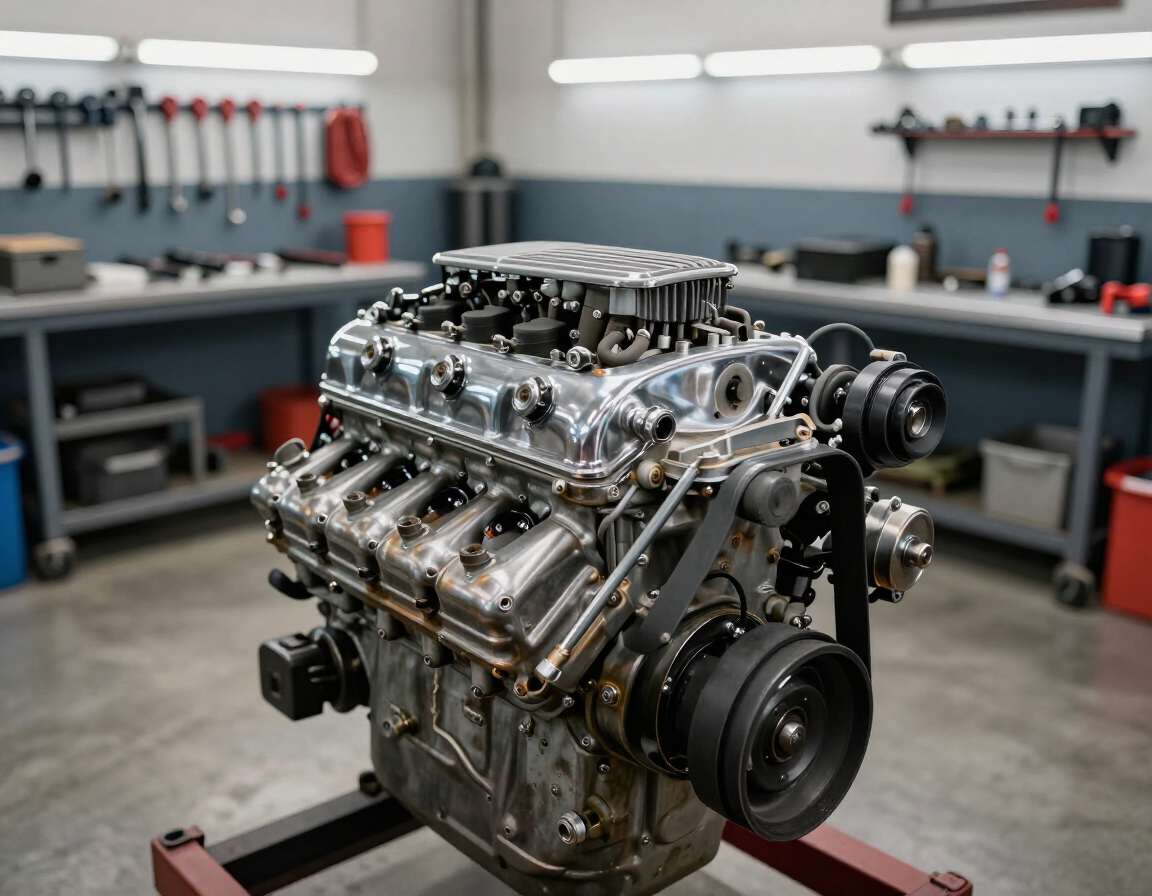
Most engines built before the mid-1980s utilize what we call a "flat-tappet" camshaft design. Unlike modern roller cams that use bearings to reduce friction, a flat-tappet setup relies on the physical sliding of the lifter across the cam lobe. This creates an incredible amount of pressure and heat at a very small contact point.
To keep these parts from grinding themselves into metal shavings, the oil needs a specific high-pressure lubricant called Zinc Dialkyl Dithiophosphate, or ZDDP. Most modern oils have had the ZDDP levels slashed to protect modern catalytic converters, which is fine for a new SUV but a death sentence for a 1960s V8. When you bring your car in for classic car maintenance , we ensure the oil used is specifically formulated with the right levels of ZDDP for your engine's needs. You can learn more about the technical side of this on our ZDDP for older engines page.
Here is why that oil change matters before storage:
- Fresh oil removes moisture accumulated during summer humidity.
- It flushes out acidic contaminants from the combustion process.
- High-zinc oil coats the camshaft for better startup protection in the spring.
- It allows us to inspect for any metal debris that might signal wear.
- A clean filter ensures full flow during those last few fall drives.
What fluids should I check before winter storage?
Beyond the engine oil, your classic relies on several other fluids that don't always handle the cold well. Coolant is a big one. Over time, the corrosion inhibitors in antifreeze break down. In a modern aluminum engine, this is bad, but in a vintage cast-iron block with a brass or copper radiator, it’s a disaster. If the pH level of your coolant gets out of whack, it can lead to electrolysis, which literally eats the metal from the inside out.
We also have to talk about the fuel. Most gas you get at the pump today contains at least 10% ethanol. Ethanol is "hygroscopic," which is a fancy way of saying it loves to soak up water from the air. In the vented fuel systems of older cars, that moisture enters the tank, mixes with the ethanol, and eventually settles at the bottom. This leads to rust in the tank and gunk in your carburetors.
Before you put the car away, follow these steps:
- Fill the tank to 95% to minimize the air space where moisture collects.
- Use a high-quality fuel stabilizer designed for ethanol-blended gas.
- Run the engine for 15 minutes to get the stabilized fuel into the carb.
- Check your brake fluid color; if it's dark, it has absorbed water and needs a flush.
- Inspect the transmission and differential levels for any signs of leaks.
Essential Maintenance Tasks for Vintage Vehicles
In our shop, we see a lot of "storage damage" that could have been avoided with an hour of prep. When a car sits, gaskets dry out and rubber components can become brittle. A quick oil change is the baseline, but we also look at the belts and hoses. Fall is the perfect time to give everything a squeeze. If a radiator hose feels crunchy or overly soft, it’s better to replace it now than to have it fail during your first spring cruise.
Another critical area is the chassis. Most modern cars have "sealed for life" suspension components. Classic cars? They have grease fittings (zerks). Cold weather can make old grease stiff and ineffective. Giving the front end a fresh shot of grease before the car sits helps displace any moisture that might have gotten in there during a rainy late-summer drive. It keeps the ball joints and tie rod ends happy while they wait for warmer weather.
How can I protect my tires and fuel system?
Many classic owners focus on the engine but forget about the rubber meeting the road. Tires on older cars rarely wear out their tread; instead, they age out. The rubber compounds in tires begin to break down after five or six years, regardless of how many miles are on them. When the temperature drops, older rubber becomes even more prone to "flat-spotting." This happens when the weight of the car sits on one section of the tire for months, causing a permanent (or semi-permanent) vibration.
If you aren't sure about your tire health, our tire services team can check the date codes for you. For storage, we recommend:
- Increasing tire pressure by 5-10 PSI (check the sidewall max first).
- Using "tire cradles" or carpet remnants to cushion the contact patch.
- Avoiding parking directly on bare concrete, which can draw moisture.
- Rotating the tires slightly if you plan to move the car during winter.
- Cleaning the sidewalls to remove oils that can accelerate dry rot.
Lastly, let's look at the electrical system. Older cars often have a small "parasitic draw"—maybe an old clock or a radio memory. Over three months, that tiny draw will kill a battery. A dead battery in the cold can actually freeze and crack the casing. We suggest using a dedicated battery tender or, at the very least, disconnecting the negative terminal. You can find more info on our battery and electric service page.
Summary of Fall Classic Car Preparation
Wrapping up your fall prep isn't just about the mechanics; it’s about peace of mind. Taking the time to address these needs ensures that when the first beautiful Saturday of April rolls around, your car is ready to fire up without drama. At Shade Tree Garage, we treat every classic like it’s our own, drawing on decades of experience in the Morristown area to keep these pieces of history on the road.
Core Takeaways for Your Fall Checklist:
- Change the Oil: Use a ZDDP-appropriate oil to protect the flat-tappet camshaft.
- Stabilize Fuel: Fill the tank and use a stabilizer to fight ethanol-related moisture.
- Check Tire Age: Inspect for dry rot and inflate to prevent flat-spotting during storage.
- Inspect Coolant: Ensure the pH balance is correct to prevent internal engine corrosion.
- Tend the Battery: Use a maintainer to keep the battery from draining and freezing.
If you’re not comfortable doing this yourself, or you just want a professional set of eyes on your pride and joy, give us a shout. We’ve been helping Morristown drivers since 1976 and would love to help you get your classic ready for the seasons ahead. You can learn more about us or check out our full range of services online.