Post-Summer European Car Care: 5 Essential Tips
To maintain your European car after summer, focus on the cooling system, drive belts, and fluid integrity. Heat stresses BMW and Mercedes plastic cooling parts, degrades Porsche coolant, and thins out engine oil. A professional post-summer inspection ensures these components survived the high temperatures and road trip miles.
Why does summer heat affect European car cooling systems?
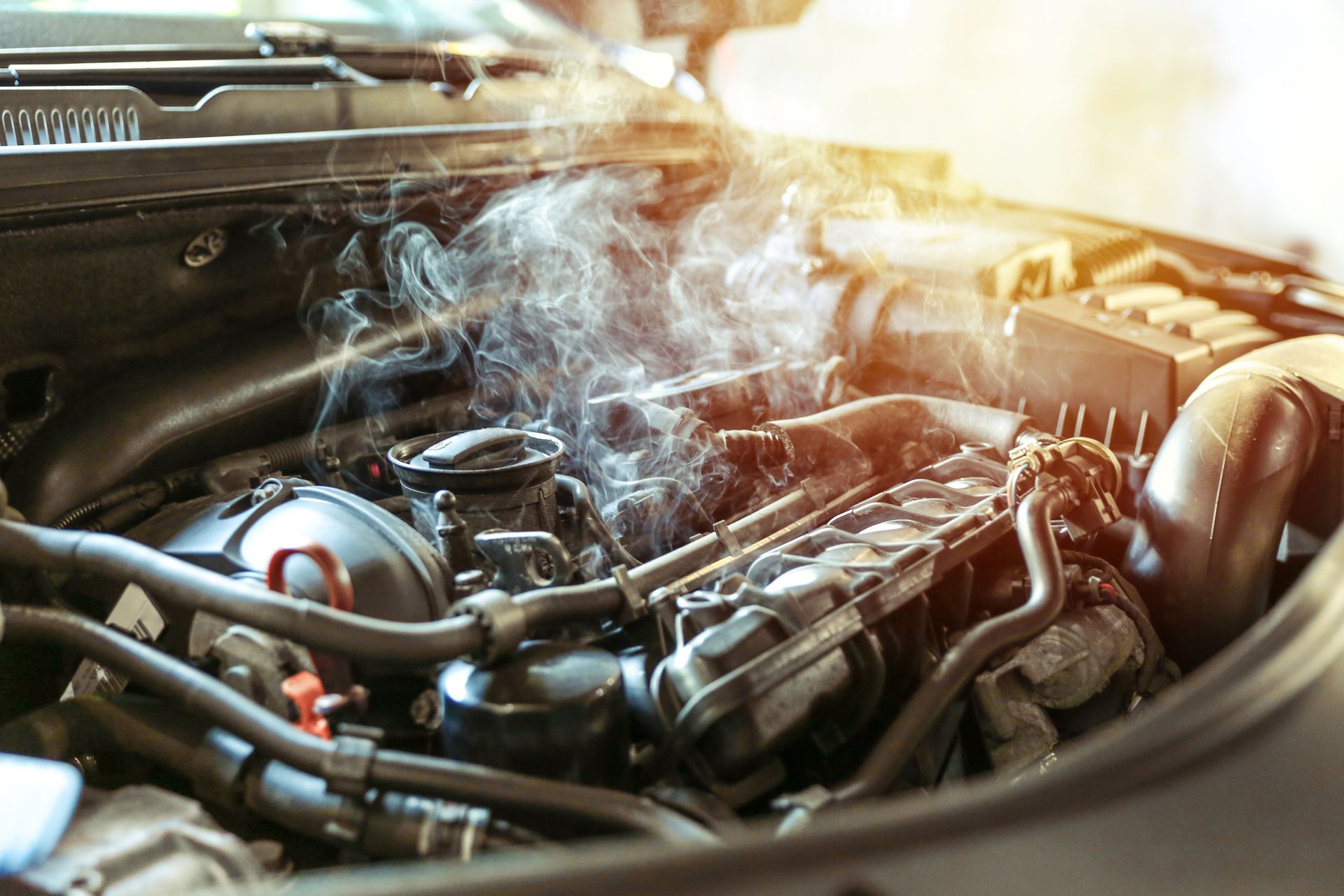
European automobiles, including brands like BMW , Porsche , Mercedes-Benz , Audi , and Volkswagen , are engineered for performance. This performance often involves engines that operate at higher temperatures than your average domestic commuter car. While this efficiency is great for the Autobahn, it puts immense pressure on the cooling system, especially during a North Jersey summer. After months of idling in traffic with the air conditioning on full blast or taking long trips down the shore, the components that regulate your engine's temperature have worked overtime.
The cooling system in a modern European car is a complex network of radiators, expansion tanks, water pumps, and thermostats. Many of these manufacturers use high-grade plastics and composites for parts like expansion tanks and flange connectors. Over time, the constant cycling between extreme heat and cooling causes these materials to become brittle. A summer of high-heat cycles can be the final straw that leads to a hairline crack or a slow leak. For BMW owners specifically, the cooling system is often considered a wear item because of these plastic components. If you’ve finished a summer of heavy driving, checking for signs of residue around these plastic fittings is a vital part of preventative maintenance .
Furthermore, Porsches, particularly the 911 and Boxster models, often have front-mounted radiators that sit low to the ground. Throughout a summer of road trips, these radiators can collect a surprising amount of road debris—leaves, pebbles, and dirt. This debris gets trapped in the housing, obstructing airflow and significantly reducing the radiator's ability to shed heat. If left uncleaned, your car might struggle to stay cool as we move into the fluctuating temperatures of autumn. At Shade Tree Garage, our ASE-certified technicians have been inspecting these systems in Morristown since 1976, ensuring that your high-performance machine stays within its safe operating window.
How do I know if my coolant needs changing?
It isn't just about the level of the fluid; it’s about the chemistry. Most European manufacturers specify a particular type of coolant—often a silicate-free or G12/G13 formula for Volkswagen and Audi —that is designed to protect the specific alloys used in their engines. Over a long, hot summer, the chemical additives in the coolant that prevent corrosion and lubricate the water pump can begin to break down. When these inhibitors fail, the internal surfaces of your engine can begin to oxidize, leading to sediment buildup that can clog the narrow passages of a high-tech radiator .
We often see cars come in after a summer of heavy use where the coolant has become discolored or cloudy. This is a clear signal that the fluid's protective properties are exhausted. While many modern cars claim to have "lifetime" fluids, our experience in the shop since 1975 has shown that "lifetime" usually means the life of the warranty, not the life of the car. For those planning to keep their Mercedes or BMW for the long haul, a quick check of the coolant’s pH level and boiling point is a smart post-summer move.
The Critical Role of Drive Belts in High-Performance Engines
Under the hood of your European vehicle , the drive belt (or serpentine belt) is the unsung hero that keeps everything from the alternator to the power steering pump running. These belts are made of rubber compounds that are highly susceptible to heat. During the summer, the ambient temperature in an engine bay can soar, causing the rubber to expand and contract repeatedly. This process, known as heat aging, eventually leads to small cracks on the ribbed side of the belt.
If a belt fails on a performance engine, the consequences are immediate and often severe. In many BMW and Audi models, the belt is responsible for driving the water pump. If the belt snaps, the engine will overheat almost instantly, which can lead to warped cylinder heads or blown head gaskets. We recommend a close visual inspection of all belts and hoses following any season of extreme weather. A healthy belt should be flexible and free of glazing (a shiny appearance caused by slipping and heat) or fraying at the edges. Since we focus on dealer-level expertise without the dealership pricing, we make it a point to check these high-wear items during every 27-point safety inspection.
Why is brake fluid moisture a concern after a hot summer?
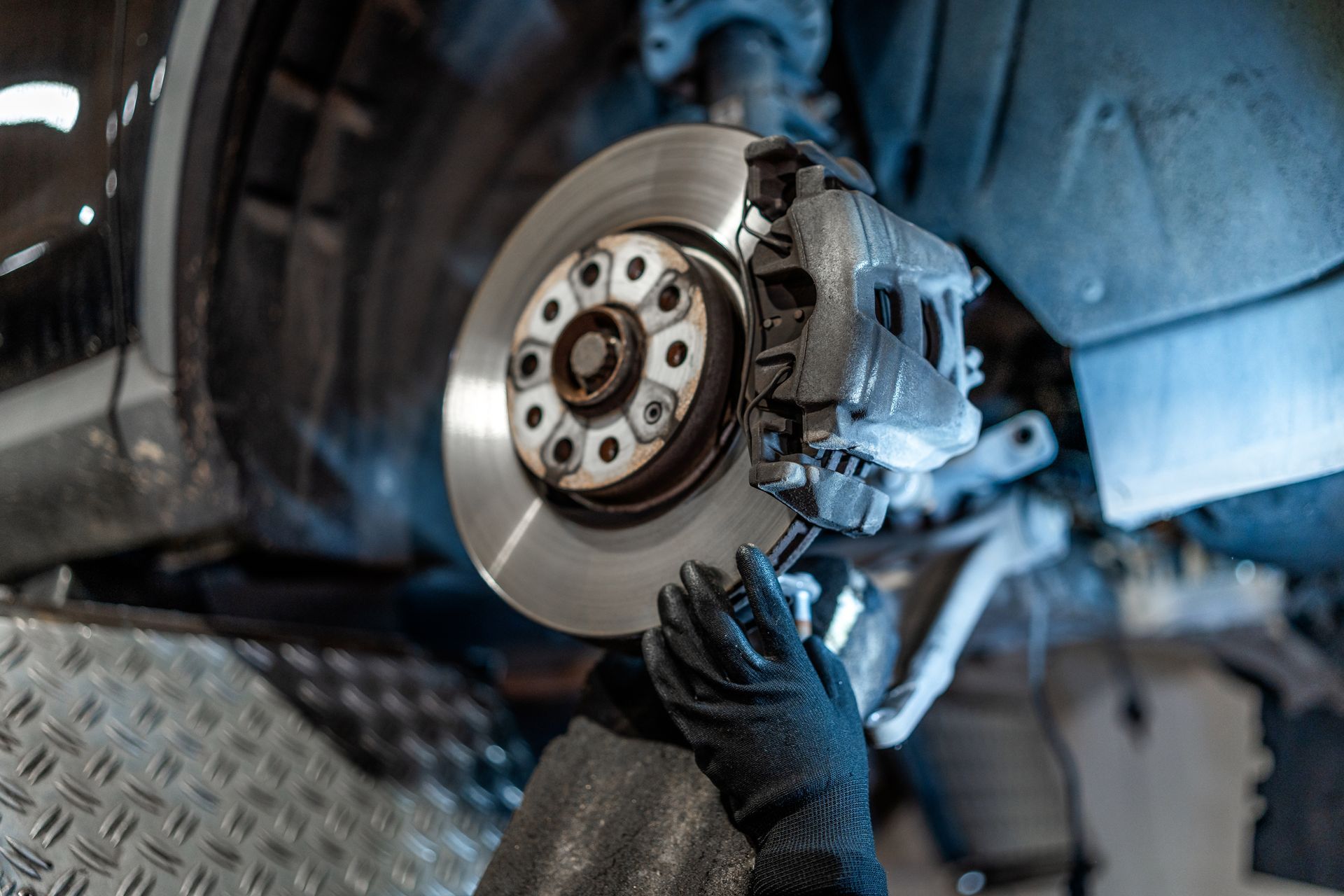
Brake fluid is hygroscopic, meaning it naturally absorbs moisture from the air. High humidity levels, which are common during NJ summers, accelerate this process. When you use your brakes heavily—perhaps while navigating mountain roads or stop-and-go beach traffic—the fluid gets extremely hot. If there is moisture in the fluid, that moisture can turn into steam. Unlike liquid brake fluid, steam is compressible, which leads to a "spongy" brake pedal and reduced stopping power.
For performance-oriented cars like Porsche or Mercedes-Benz AMG models, maintaining the integrity of the brake fluid is paramount. Moisture doesn’t just affect performance; it also causes internal corrosion in expensive components like the ABS modulator and brake calipers. After the summer humidity subsides, it is a great time to have the moisture content of your brake fluid tested. If the water content is too high, a simple fluid flush can restore your braking system's firm feel and protect your investment from long-term damage.
Checking Vital Fluids Beyond the Engine
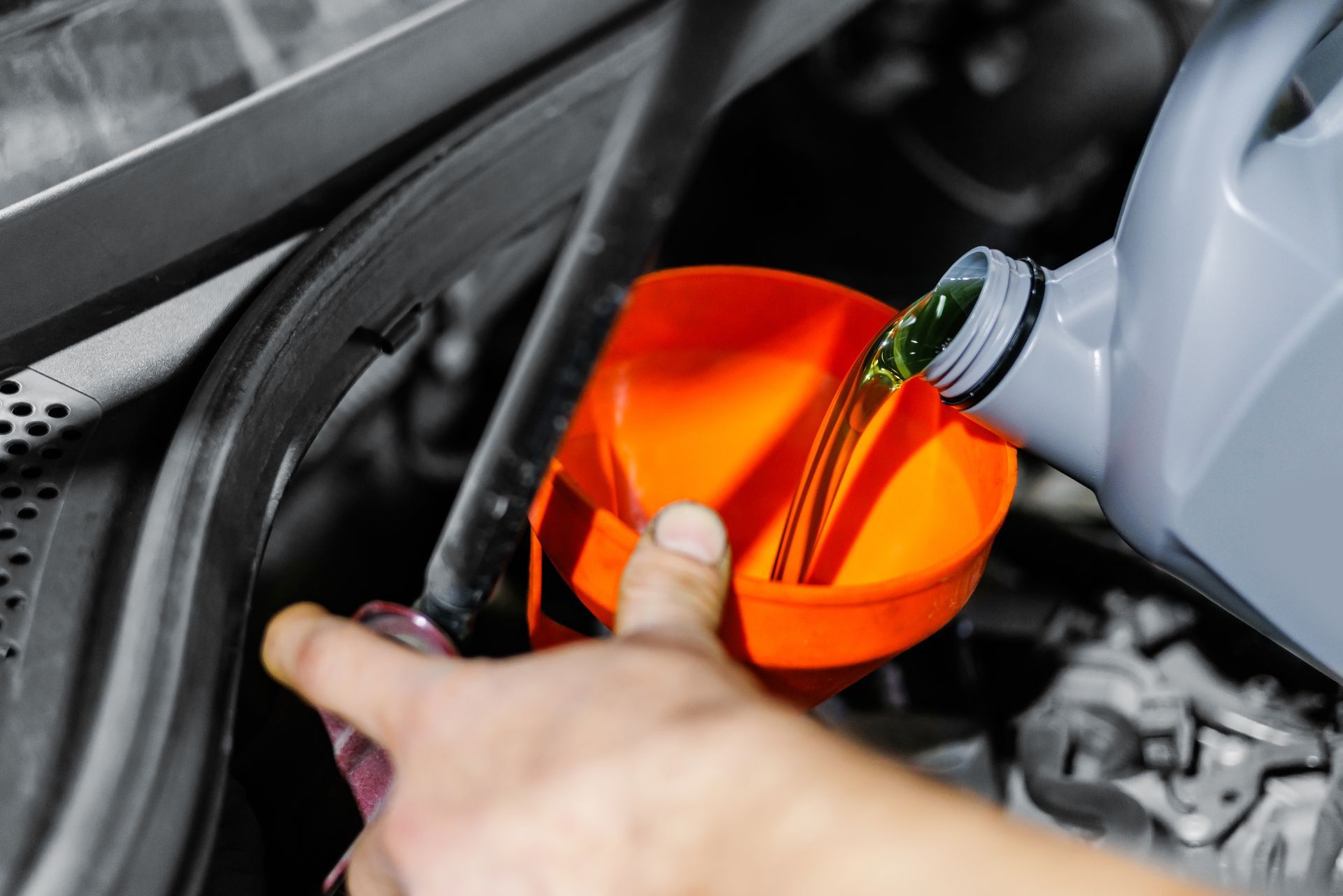
While oil changes are the most common form of maintenance, summer heat also takes a toll on transmission and differential fluids. European gearboxes, especially the dual-clutch transmissions found in Volkswagen and Audi (DSG) or Porsche (PDK), are precision instruments. They rely on clean fluid to act as both a lubricant and a hydraulic fluid for gear changes. High temperatures can cause this fluid to thin out or oxidize, which might lead to slightly rougher shifts or a delay in engagement.
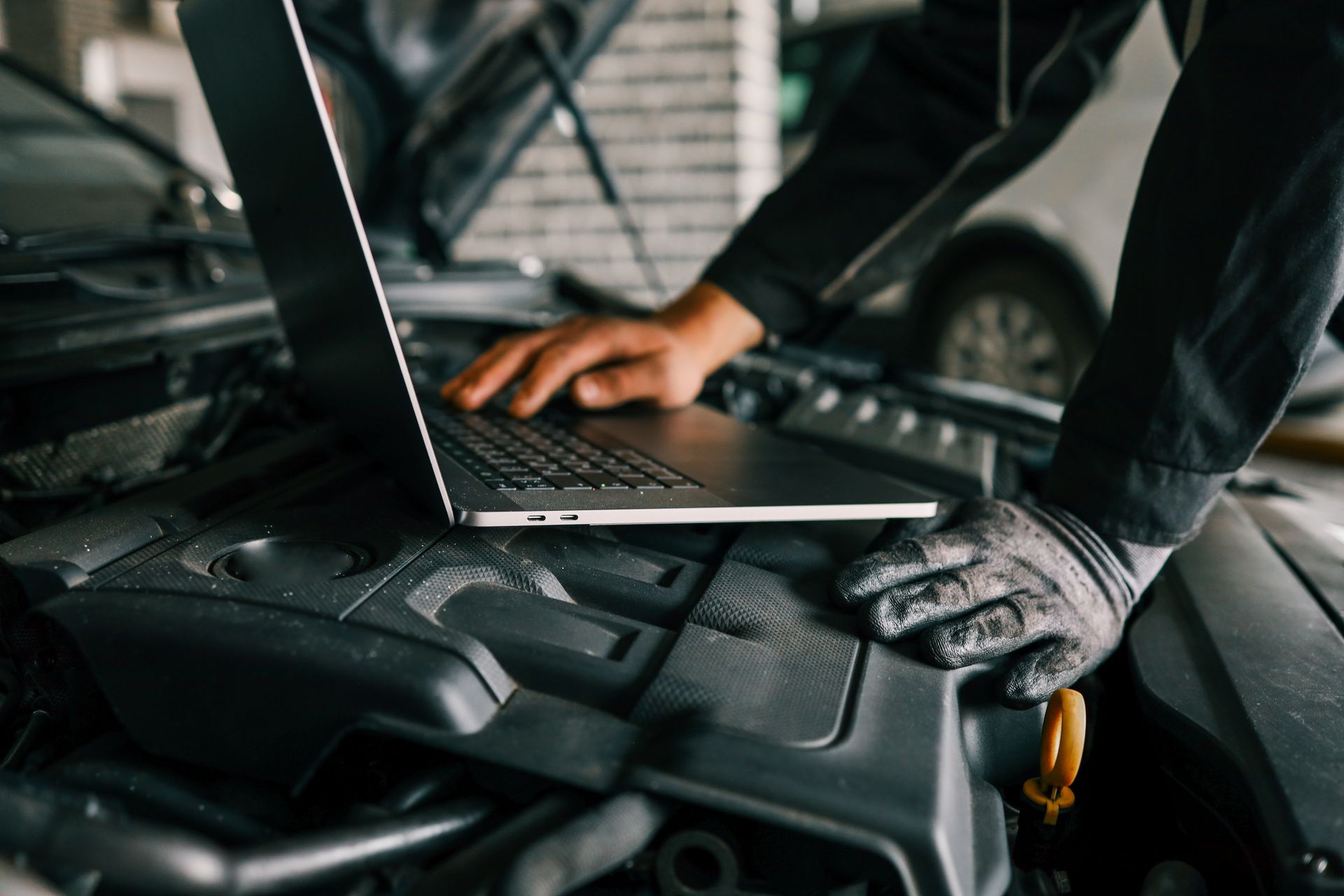
Similarly, the power steering system in many older European models uses a specific hydraulic fluid (often CHF 11S) that can degrade over time. If you’ve noticed any new whirring noises when turning the wheel after a long summer drive, it may be due to the fluid losing its viscosity. Checking these fluids isn't just about topping them off; it's about assessing their condition to ensure they are still doing their job effectively. Our shop uses modern diagnostics and factory-grade equipment to evaluate these systems, ensuring we catch potential issues before they become expensive repairs.
Is it time for a professional post-summer inspection?
Modern European cars are incredibly smart, but they can't always tell you when a belt is about to fray or a plastic coolant pipe is becoming brittle. That’s where a trained eye comes in. At Shade Tree Garage, we combine decades of hands-on experience with the latest Bosch-trained techniques to look past the surface. We treat every vehicle with the care of a classic and the precision required for a modern performance machine.
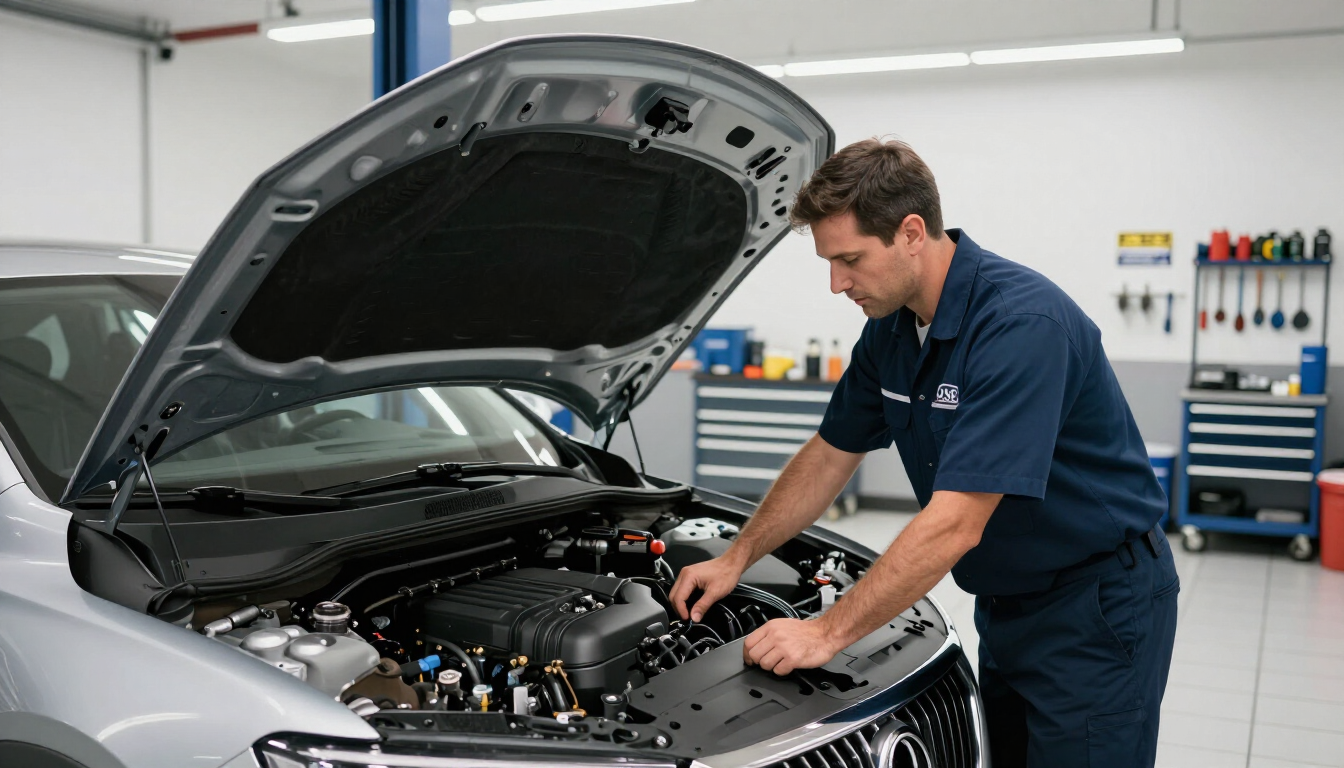
During a post-summer visit, we don't just look for problems; we look for peace of mind. Our 27-point safety inspection is designed to be thorough yet straightforward. We check the battery (which, contrary to popular belief, is actually stressed more by heat than cold), the tire pressures which fluctuate with the changing seasons, and all the rubber components that keep your car sealed and running smoothly. We’ve built our reputation in Morristown on being honest and clear with our communication—no upselling, just the facts about what your car needs to stay reliable.
Post-Summer Maintenance Takeaways
Transitioning from the heat of summer to the cooler months of autumn is the ideal time to evaluate your European vehicle’s health. By addressing the stress placed on the cooling system, checking the integrity of rubber belts, and ensuring your fluids haven't succumbed to thermal breakdown, you ensure your car remains as reliable as the day it left the factory. Whether you drive a daily-driver VW or a weekend Porsche, a little attention now prevents major headaches later.
Key Post-Summer Checks:
- Cooling System: Inspect plastic expansion tanks and connectors for heat-stress cracks or leaks.
- Radiators: Clean out road debris from front-mounted radiators to ensure proper airflow.
- Drive Belts: Check for glazing, fraying, or small cracks on the serpentine belt.
- Fluid Health: Test brake fluid for moisture and evaluate coolant for chemical breakdown.
- Visual Inspection: Look for signs of fluid leaks, damaged hoses, worn suspension components, and other issues that may have developed during summer driving.
The Bottom Line
Summer heat can be hard on any vehicle, but European cars often rely on precisely engineered systems that perform best when properly maintained. A post-summer inspection gives you the opportunity to catch small concerns before cooler weather turns them into larger, more expensive repairs.
Our 27-point safety inspection takes a comprehensive look at the components that matter most to your vehicle’s reliability and safety. We’ll tell you what needs attention, what can wait, and what looks good, without unnecessary upselling.
If your European vehicle has spent the summer battling heat, road trips, and everyday driving, now is the perfect time to give it a checkup and head into fall with confidence.