5 Road Salt Risks a Pre-Winter Check Finds

Road salt can trap moisture against metal and accelerate corrosion on brake lines, exhaust components, fasteners, and the undercarriage. A pre-winter underbody check looks for rust, leaks, damaged shields, and weakened parts before cold-weather driving makes a small problem harder to see or safely manage.

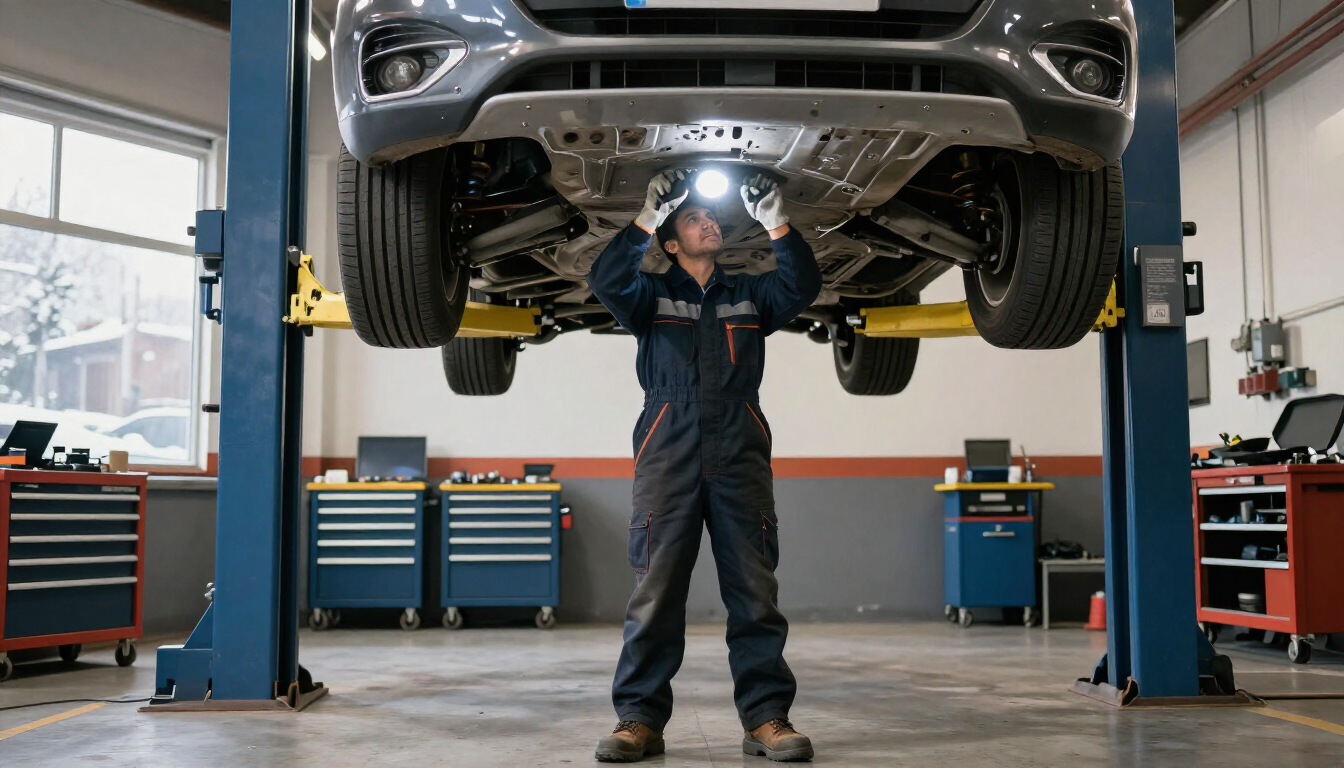
Road salt car damage inspected by an ASE-certified technician

Why does road salt damage your car?

Road salt lowers the freezing point of water, which helps keep winter roads drivable. The tradeoff is that salt creates a highly corrosive environment when it mixes with moisture, dirt, and air. That mixture can remain in seams, brackets, shields, and other areas that are difficult to see from ground level.

Corrosion usually develops gradually. A vehicle may look clean from above while rust is advancing underneath. Repeated winter trips, wet parking areas, and slush packed into the underbody can speed up the process. Cars driven on busy Morris County roads are especially exposed during long stretches of treated pavement.

Road salt car damage does not always produce an immediate warning light. Early inspection is important because a technician can identify surface corrosion, deterioration, or contamination before a component becomes unsafe or fails.

What does a pre-winter underbody check look for?

A proper check is more than a quick glance behind a wheel. With the vehicle safely raised, an ASE-certified technician examines the underbody from multiple angles and considers how each finding may affect reliability and safety.

The inspection commonly includes:

  • Brake lines, hoses, fittings, calipers, and nearby mounting points
  • Exhaust pipes, hangers, heat shields, flanges, and catalytic converter areas
  • Floor pans, subframes, crossmembers, suspension parts, and fasteners
  • Fluid leaks, damp areas, loose shields, and impact damage
  • Existing rust that may worsen with continued salt and moisture exposure

The goal is to separate normal surface discoloration from corrosion that has weakened metal or affected function. Your technician should explain what was found, what needs attention soon, and what can be monitored.

How can road salt affect brake lines?

Brake lines are one of the most important areas to examine because they carry hydraulic pressure. Salt and moisture can corrode the exterior of metal lines, especially where dirt collects around clips, bends, fittings, and brackets. Corrosion can also occur in locations hidden by underbody panels or protective coatings.

A problem may begin as surface rust, but advanced corrosion can reduce the line’s strength. A leaking or compromised hydraulic line can affect braking performance and requires immediate professional attention.

If the brake pedal feels soft, spongy, unusually low, or different from normal, stop driving and arrange a tow. Do not continue to the shop under your own power, and do not attempt DIY brake work. A professional brake evaluation can determine whether the concern involves a line, hose, fluid issue, or another part of the braking system. Learn more about brake repair .

What happens to the exhaust and undercarriage?

Salt does not only attack brake components. Exhaust systems are exposed to water, road spray, heat cycles, and winter debris. Corrosion may affect pipes, mufflers, hangers, flanges, shields, and fasteners. Heat shields can loosen and create rattles, while rusted exhaust connections may become difficult to service.

The broader undercarriage can also develop corrosion around:

  • Suspension mounting points
  • Subframes and structural members
  • Fuel and brake line brackets
  • Skid plates and splash shields
  • Jacking points and exposed fasteners

A technician also looks for damage caused by packed snow, ice, or road debris. These issues may not be caused by salt alone, but winter conditions can hide or worsen them. If you notice a new rattle, exhaust odor, fluid spot, or change in handling, mention it during your visit.

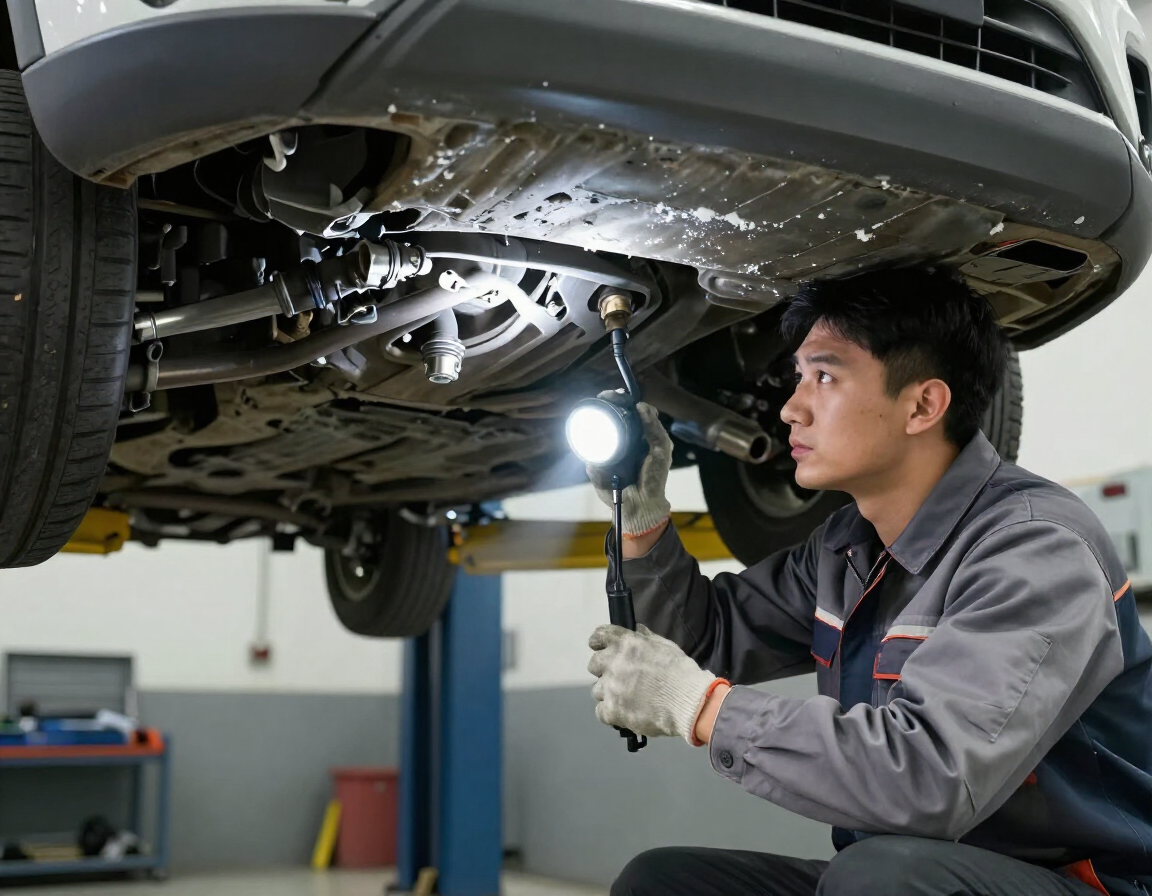
Close inspection of brake lines and exhaust components beneath a vehicle

Do regular car washes help prevent corrosion?

Yes. Regular washing helps remove salt, brine, mud, and grit before they remain on metal for extended periods. During road salt season, choose a wash that reaches the vehicle’s underside when conditions allow. Pay particular attention after driving through visibly wet, slushy, or heavily treated roads.

Washing reduces exposure, but it does not reverse corrosion that has already weakened a component. It also cannot replace an inspection because hidden areas may retain salt even after the exterior appears clean.

Helpful winter habits include:

  • Wash the vehicle after major salt exposure when temperatures and conditions permit.
  • Use an underbody rinse rather than cleaning only the painted surfaces.
  • Avoid packing wet salt and mud into garage corners or enclosed areas.
  • Report new noises, odors, leaks, or braking changes promptly.
  • Keep scheduled preventative maintenance visits on track.

When should you bring your car in?

The best time for a pre-winter underbody check is before sustained freezing weather and repeated salt exposure. Bringing the vehicle in early gives the technician a clearer opportunity to document developing corrosion and identify safety-related concerns before winter travel becomes routine.

Schedule a check sooner if you:

  • Drive daily on salted roads or park outside
  • Own an older vehicle or a vehicle with existing rust
  • Recently drove through deep water, snow, or slush
  • Hear rattling, scraping, or unusual exhaust noise
  • See fluid beneath the vehicle
  • Notice steering, suspension, or braking changes

A soft brake pedal requires a different response: stop driving and arrange a tow. This is not a wait-and-see symptom.

For vehicles with unusual systems, performance modifications, or European components, accurate inspection matters. Dealer-level diagnostics and experienced technicians can help identify whether a concern is corrosion, an unrelated mechanical issue, or normal surface oxidation. See our complete diagnostics services for more information.

What Shade Tree Garage checks

At Shade Tree Garage in Morristown, our team combines nearly five decades of hands-on experience with modern equipment and careful communication. Every visit includes a free 27-point safety inspection, helping identify concerns that may not be obvious during a normal commute.

A pre-winter visit may include a visual underbody review, brake and exhaust observations, fluid checks, and discussion of any symptoms you have noticed. We explain findings clearly rather than treating every spot of surface rust as an emergency. Qualifying repairs are backed by a 30-month/30,000-mile warranty, and convenient loaner vehicles and after-hours drop-off and pickup can help keep your schedule moving.

Contact Shade Tree Garage to arrange a winter check or ask about a concern before the roads become heavily salted.

Key takeaways

Road salt car damage develops where moisture and salt collect, often out of sight. A pre-winter underbody check focuses on brake lines, exhaust parts, structural areas, suspension mounts, shields, leaks, and fasteners. Regular underbody washes can reduce exposure, but washing cannot identify weakened metal or hidden damage.

Bring your vehicle in before repeated winter driving if it is older, frequently exposed to salt, or showing new noises, odors, leaks, or handling changes. If the brake pedal feels soft or spongy, stop driving and arrange a tow. The next step is a professional inspection so you can address safety concerns with clear information before winter travel increases.

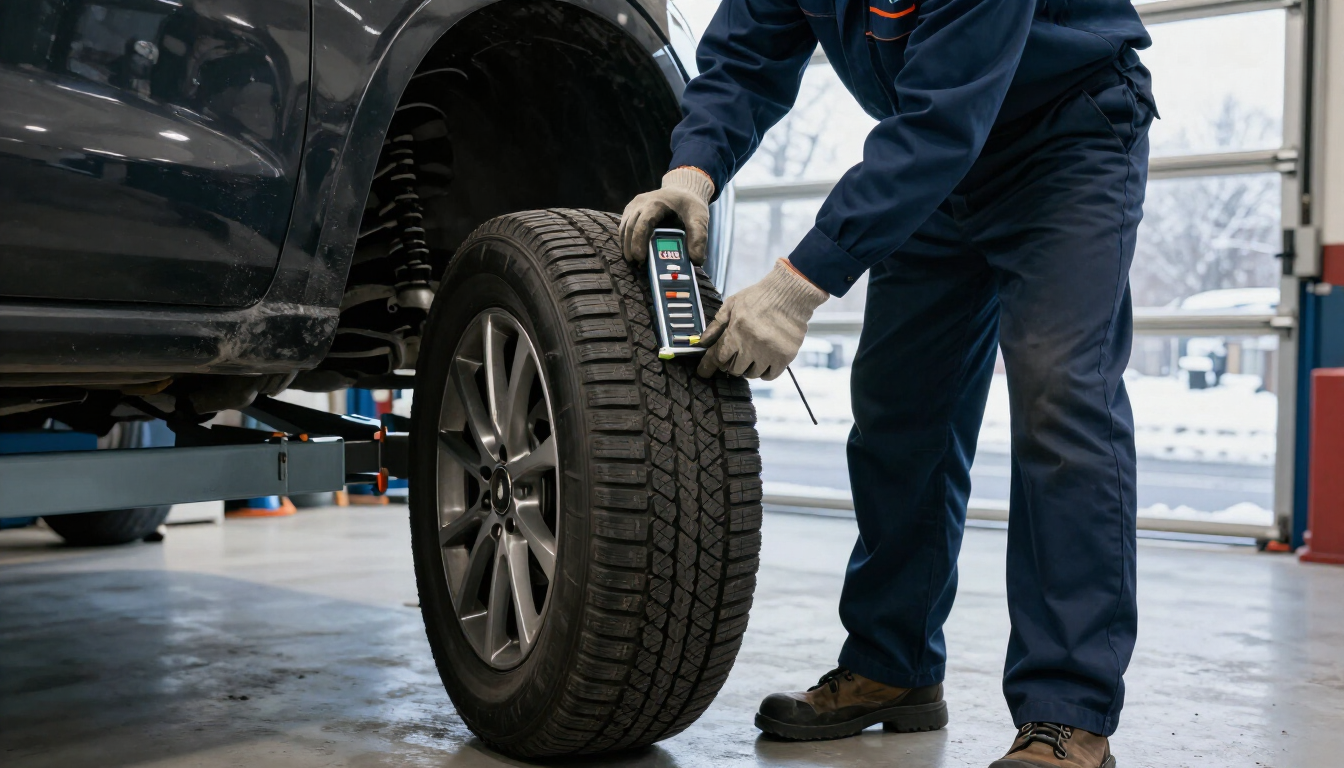
Technician checking tire tread for winter driving
November 9, 2026
New to New Jersey winters? An ASE-certified Morristown technician explains winter tires vs all-season tires, tread, rubber compounds, pressure changes, and when to come in.
Technician checking a car that won’t start on a cold morning
November 2, 2026
Car won’t start on a cold morning? Learn common causes, safe jump-start steps, and when to have a Morristown technician inspect the vehicle.
Technician checking a hybrid vehicle in cold weather
By Samantha Boylls • October 26, 2026
Learn what hybrid and EV owners may notice as fall turns cold, including lower efficiency, battery concerns, and when to visit an independent shop in Morristown.
Work van on a lift in a clean Morristown repair bay
By Samantha Boylls • October 19, 2026
An ASE-certified Morristown technician shares six practical pre-winter checks for business vans and trucks, from batteries and tires to heat and fluids.
Technician checking tire pressure in a clean bay
By Samantha Boylls • October 12, 2026
Learn why your tire pressure light comes on during the first cold October morning, how to check pressure safely, and when a recurring warning needs attention.
Technician checking a car heater in a clean Morristown auto repair shop
By Samantha Boylls • October 5, 2026
Learn five possible reasons your car heater blows cold or weak as Morristown temperatures drop—and when to stop driving or bring it to Shade Tree Garage.
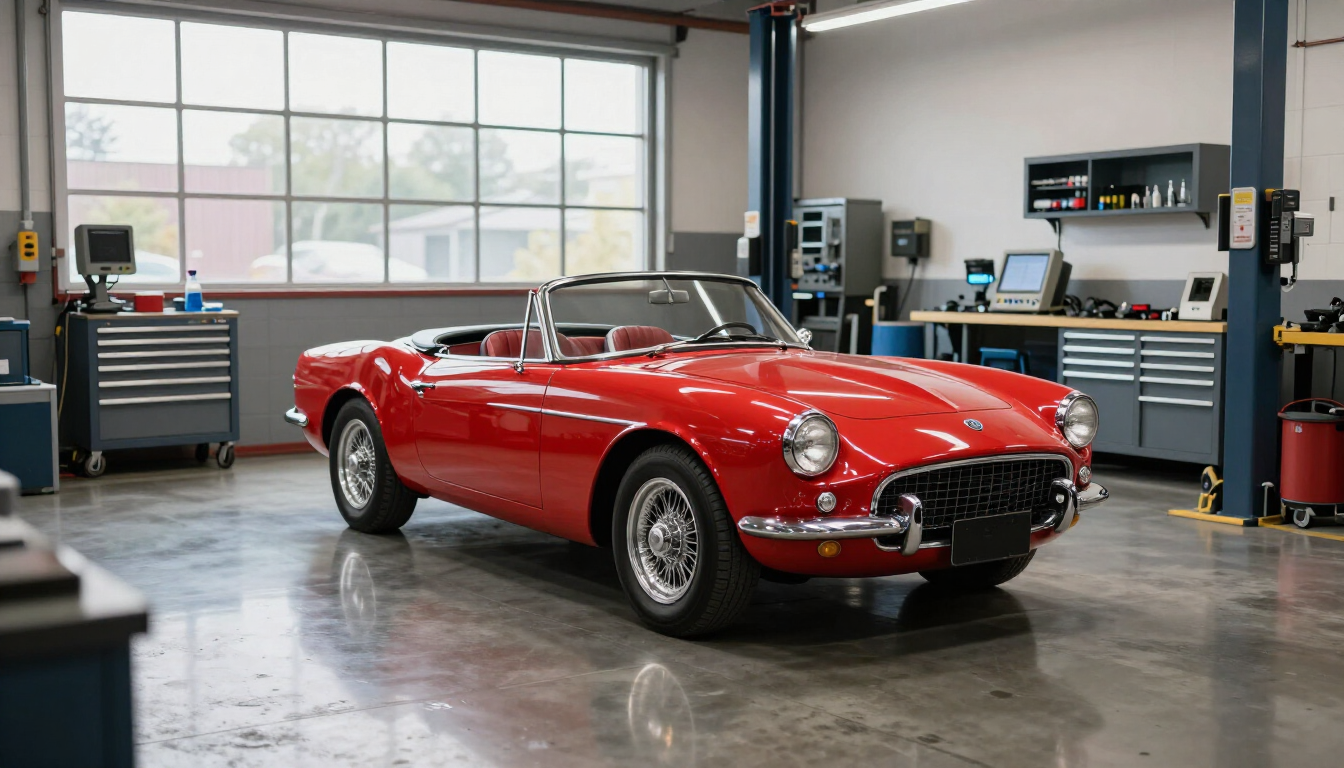
Classic car in a clean Morristown shop bay for fall maintenance.
September 28, 2026
Learn how to prepare your classic car for fall driving or storage with our ASE-certified technician's checklist, covering ZDDP oil, tires, and fluids.
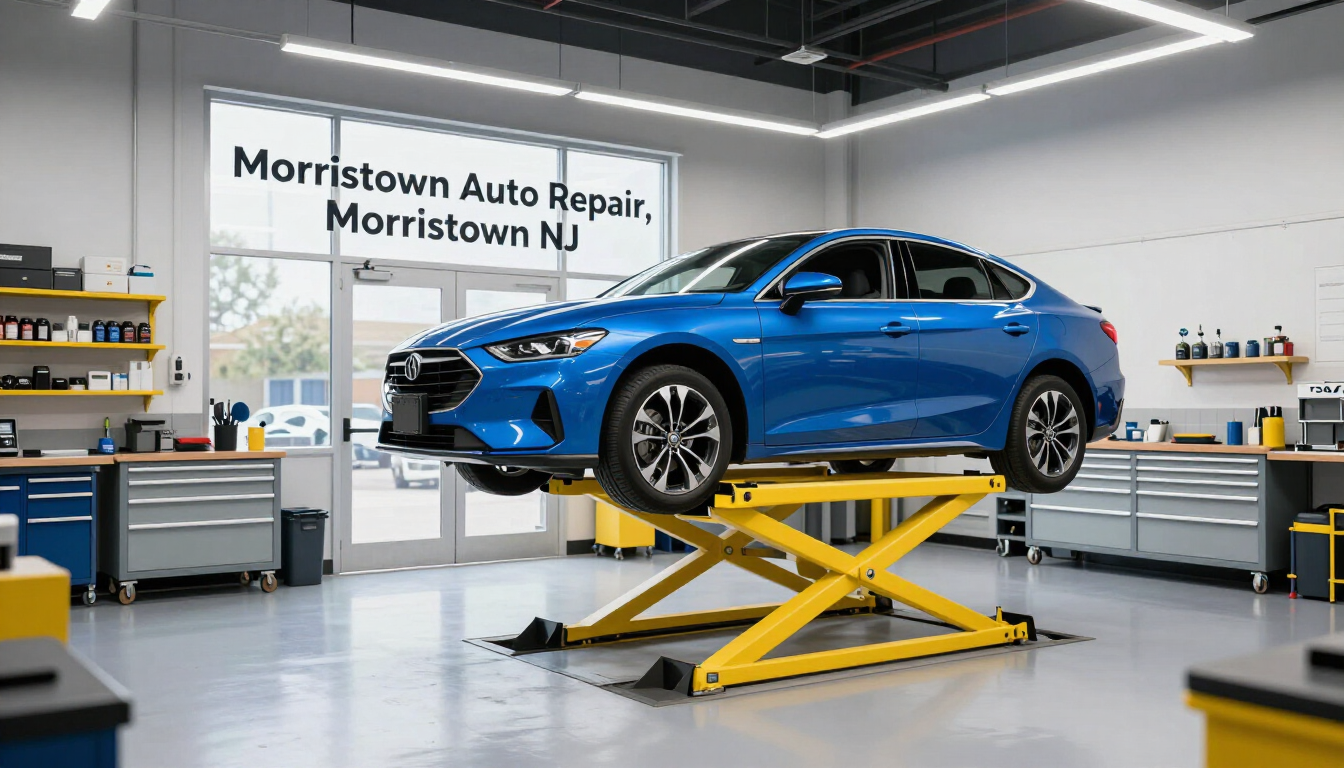
Modern vehicle on a professional lift in a Morristown NJ auto repair shop
September 21, 2026
Worried about brake noise? Learn what squealing, grinding, and pulsing mean from our ASE-certified techs in Morristown. Expert tips on when to seek brake repair.

Mechanic using a diagnostic scan tool on a European car dashboard
September 14, 2026
Expert advice from ASE-certified technicians on maintaining your BMW, Porsche, Mercedes, or Audi after summer heat. Learn about cooling systems, fluids, and belts.
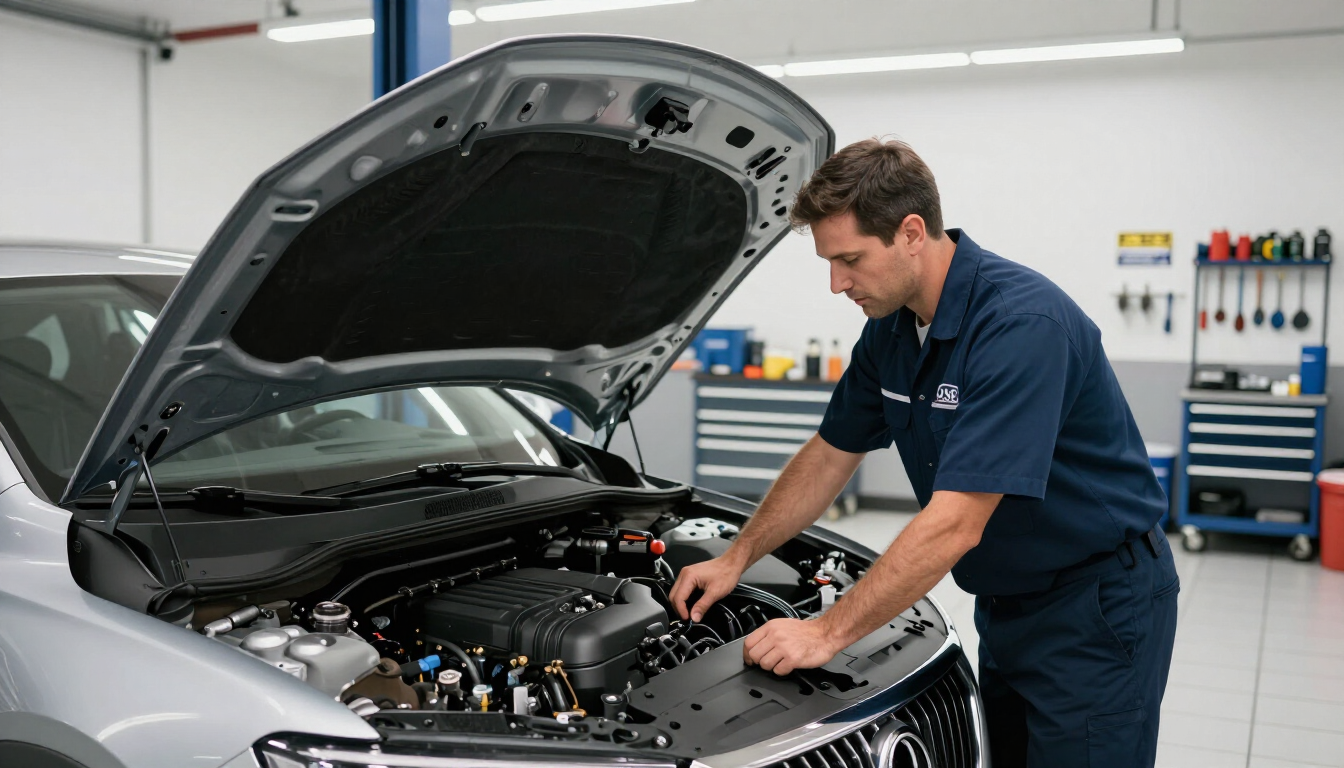
ASE certified technician performing a fall car maintenance inspection in Morristown NJ.
September 7, 2026
Prepare your vehicle for winter with our expert fall car maintenance checklist. Learn about battery health, fluids, and more from Shade Tree Garage.
Show More