How to Handle a Car That Won’t Start in Cold Weather

A car that won’t start on a cold morning may be dealing with reduced battery power, thickened fluids, fuel or ignition concerns, or another issue exposed by low temperatures. Start with simple safety checks, try a careful jump-start if appropriate, and arrange testing if the problem repeats.

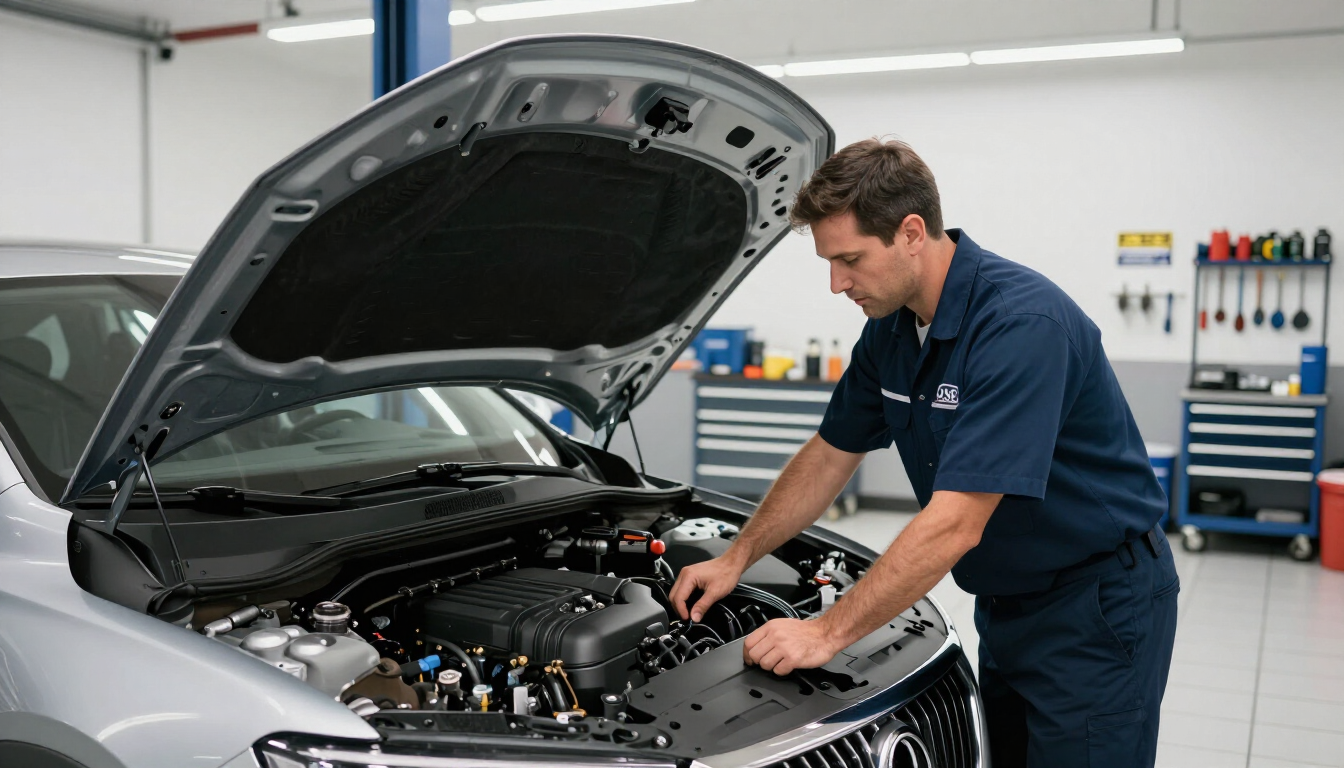
Technician checking a car that won’t start on a cold morning

What makes cold weather hard on a car?

Cold temperatures affect several systems at the same time. The battery has to provide strong electrical power while producing less of it. Engine oil and other fluids can move more slowly, and the engine may need extra effort to turn over.

That combination explains why a vehicle can seem fine one day and struggle the next. A weak component may have enough reserve during mild weather but not enough when temperatures drop overnight.

Common possibilities include:

  • A battery with reduced charge or aging internal components
  • Loose, dirty, or corroded battery connections
  • A charging system that is not fully replenishing the battery
  • Fuel, ignition, sensor, or starter-related concerns
  • A vehicle that is rarely driven long enough to restore battery energy

These are possibilities, not a diagnosis. The sound your vehicle makes and what happens when you turn the key or press the start button can help a technician decide where testing should begin.

What does the sound tell you?

Pay attention without repeatedly trying to start the vehicle. A single click, several rapid clicks, slow cranking, or normal cranking with no start can point toward different areas for professional testing. Silence may also reflect a control, connection, or starting-system concern.

Write down what you notice, including dashboard lights, recent weather, whether the vehicle was driven recently, and whether accessories were left on. This information can save time during a battery and electrical inspection or broader diagnostic service .

How can you try a jump-start safely?

A jump-start may help when the battery has temporarily lost enough power to crank the engine. It does not prove the battery is the root cause, and it may not be appropriate for every vehicle. Check the owner’s manual first, especially for hybrids, high-performance vehicles, vehicles with a remote battery, or models requiring designated terminals.

Use these general steps:

  1. Move both vehicles safely. Park them close enough for the cables to reach, but do not let the vehicles touch. Turn off both ignitions, lights, climate controls, and accessories. Set the parking brakes.
  2. Identify the correct terminals. Find the positive and negative connection points. Do not guess. Look for the plus sign, minus sign, or vehicle-specific instructions.
  3. Connect the positive cable first. Attach one red clamp to the dead battery’s positive terminal and the other red clamp to the assisting vehicle’s positive terminal.
  4. Connect the negative cable carefully. Attach one black clamp to the assisting battery’s negative terminal. Attach the remaining black clamp to an approved unpainted metal ground on the disabled vehicle, away from the battery when the manual permits.
  5. Start the assisting vehicle, then the disabled vehicle. Allow a short pause if needed, and stop if you see sparks, smell something unusual, or hear concerning noises.
  6. Remove the cables in reverse order. Keep the clamps from touching each other or moving parts. Once running, follow the owner’s manual for how long to operate or drive the vehicle.

Never attempt a jump-start if the battery is visibly cracked, leaking, badly swollen, frozen, or otherwise damaged. Do not smoke or create sparks near a battery. If the connection points or procedure are unclear, roadside assistance or a repair professional is the safer choice.

Why does a battery keep dying?

A jump-start restores enough energy to get moving; it does not necessarily restore the vehicle’s starting reliability. If the battery repeatedly goes flat, the underlying reason needs attention.

Possible explanations include a battery that cannot hold a charge, a charging-system issue, excessive electrical draw while parked, poor cable connections, or driving patterns that do not give the system enough time to recharge. Cold weather may simply reveal a problem that was already developing.

A proper evaluation generally considers more than battery voltage. A technician may inspect the battery, terminals, starting system, charging output, and relevant electrical circuits. That is why repeated jump-starts are a temporary workaround rather than a long-term plan.

Automotive technician inspecting battery terminals and electrical connections

Cold-weather habits that may help

Good habits cannot prevent every no-start situation, but they can reduce avoidable strain and help you notice changes earlier.

  • Keep battery terminals and cable connections clean and secure.
  • Avoid leaving lights, chargers, or accessories operating when the engine is off.
  • Follow the vehicle maker’s maintenance schedule for battery and starting-system checks.
  • If the vehicle sits for long periods, ask about an appropriate battery-maintenance approach.
  • Pay attention to slower cranking or repeated electrical warnings before winter conditions arrive.

A preventive maintenance visit can be useful when you want a broader review rather than waiting for a no-start event.

When should you bring the car in?

Have the vehicle checked if it needs more than one jump-start, struggles again after a recent drive, cranks noticeably slower, or displays warning lights. Bring it in promptly if you notice a burning smell, damaged wiring, fluid leakage, a swollen battery, or unusual sounds.

You should also avoid repeated starting attempts when the engine does not respond. Extended cranking can add stress and may make the situation harder to evaluate. If the vehicle is in an unsafe location, use roadside assistance rather than working near traffic.

At Shade Tree Garage in Morristown, an ASE-certified technician can test the starting and charging systems without assuming the battery is automatically the answer. The goal is to identify what the vehicle needs and explain the findings plainly. The shop has served drivers since 1976 and combines modern diagnostic equipment with straightforward service.

For a vehicle that needs attention, you can review battery and electric services , explore general auto repair services , or contact the shop to discuss the next step.

A calm next-step checklist

A car that won’t start on a cold morning is often reacting to reduced electrical capacity or another weakness made more noticeable by low temperatures. A safe jump-start can be reasonable when the battery and vehicle instructions allow it, but repeated jumps should not become the solution.

  • Note what the vehicle does when you try to start it.
  • Check the owner’s manual before connecting cables.
  • Stop if the battery is damaged or the procedure is unclear.
  • Arrange testing when the problem repeats or warning signs appear.
  • Choose diagnosis over replacing parts based only on one cold morning.

The right next step is simple: prioritize safety, gather useful observations, and have the starting and charging systems evaluated if the concern returns.

Technician checking a hybrid vehicle in cold weather
By Samantha Boylls • October 26, 2026
Learn what hybrid and EV owners may notice as fall turns cold, including lower efficiency, battery concerns, and when to visit an independent shop in Morristown.
Work van on a lift in a clean Morristown repair bay
By Samantha Boylls • October 19, 2026
An ASE-certified Morristown technician shares six practical pre-winter checks for business vans and trucks, from batteries and tires to heat and fluids.
Technician checking tire pressure in a clean bay
By Samantha Boylls • October 12, 2026
Learn why your tire pressure light comes on during the first cold October morning, how to check pressure safely, and when a recurring warning needs attention.
Technician checking a car heater in a clean Morristown auto repair shop
By Samantha Boylls • October 5, 2026
Learn five possible reasons your car heater blows cold or weak as Morristown temperatures drop—and when to stop driving or bring it to Shade Tree Garage.
Classic car in a clean Morristown shop bay for fall maintenance.
September 28, 2026
Learn how to prepare your classic car for fall driving or storage with our ASE-certified technician's checklist, covering ZDDP oil, tires, and fluids.
Modern vehicle on a professional lift in a Morristown NJ auto repair shop
September 21, 2026
Worried about brake noise? Learn what squealing, grinding, and pulsing mean from our ASE-certified techs in Morristown. Expert tips on when to seek brake repair.

Mechanic using a diagnostic scan tool on a European car dashboard
September 14, 2026
Expert advice from ASE-certified technicians on maintaining your BMW, Porsche, Mercedes, or Audi after summer heat. Learn about cooling systems, fluids, and belts.
ASE certified technician performing a fall car maintenance inspection in Morristown NJ.
September 7, 2026
Prepare your vehicle for winter with our expert fall car maintenance checklist. Learn about battery health, fluids, and more from Shade Tree Garage.
August 31, 2026
Prepare your vehicle for New Jersey's changing seasons with expert seasonal maintenance in Morristown, NJ. Learn how Shade Tree Garage helps keep your car safe and reliable year-round.
By Shade Tree Garage • August 25, 2026
Our team spent a day cooking and serving meals at Homeless Solutions in Morristown — our second year volunteering, with next year already booked.
Show More