Signs Your Vehicle Needs Professional Diagnostics
Most drivers know when something does not feel right with their vehicle. Maybe the check engine light turns on, the car starts hesitating, the engine sounds different, or the vehicle does not respond the way it normally does. These signs can be frustrating because the cause is not always obvious. That is where professional diagnostics become important. Instead of guessing what might be wrong, diagnostics help identify the real issue so the right repair can be made.
Modern vehicles are built with advanced systems that monitor everything from engine performance to emissions, fuel delivery, braking, electrical systems, and safety features. When one part of the system is not working correctly, your vehicle may alert you with a warning light or change in performance. The most common warning is the check engine light, but there are many others that should not be ignored. Battery lights, oil pressure warnings, ABS lights, temperature warnings, traction control alerts, and other dashboard messages can all indicate that your vehicle needs attention.
One mistake many drivers make is assuming that a warning light is not serious if the car still drives normally. While some issues may be minor, others can become expensive if they are ignored. A check engine light, for example, could be caused by something simple, but it could also point to a problem with sensors, ignition components, fuel systems, emissions parts, or engine performance. Driving too long without checking it can sometimes lead to additional damage or reduced fuel economy.
Performance changes are another reason to schedule diagnostics. If your car feels sluggish, stalls, shakes, has trouble starting, idles roughly, or hesitates when accelerating, something may be affecting the way the engine or electrical system is operating. These symptoms can be caused by many different parts, which is why a proper diagnostic process is important. Replacing parts without knowing the cause can waste time and money.
Unusual noises should also be taken seriously. Grinding, squealing, knocking, clicking, rattling, or humming sounds can come from different areas of the vehicle. Brakes, suspension, steering, belts, engine components, wheel bearings, and exhaust systems can all create noises when something is worn or failing. A professional inspection can help locate the source and determine whether the issue needs immediate repair.
Fluid leaks are another warning sign. If you notice spots under your vehicle, it may be oil, coolant, transmission fluid, brake fluid, power steering fluid, or another important fluid. Some leaks are more urgent than others, but none should be ignored. Fluids protect major systems in your vehicle, and low fluid levels can lead to overheating, poor braking, transmission problems, or engine damage.
Fuel economy can also tell you something about your vehicle’s health. If you are filling up more often than usual, your vehicle may not be running efficiently. Problems with spark plugs, air filters, oxygen sensors, fuel injectors, tire pressure, alignment, or engine management systems can all affect mileage. Diagnostics can help uncover the reason your vehicle is using more fuel than expected.
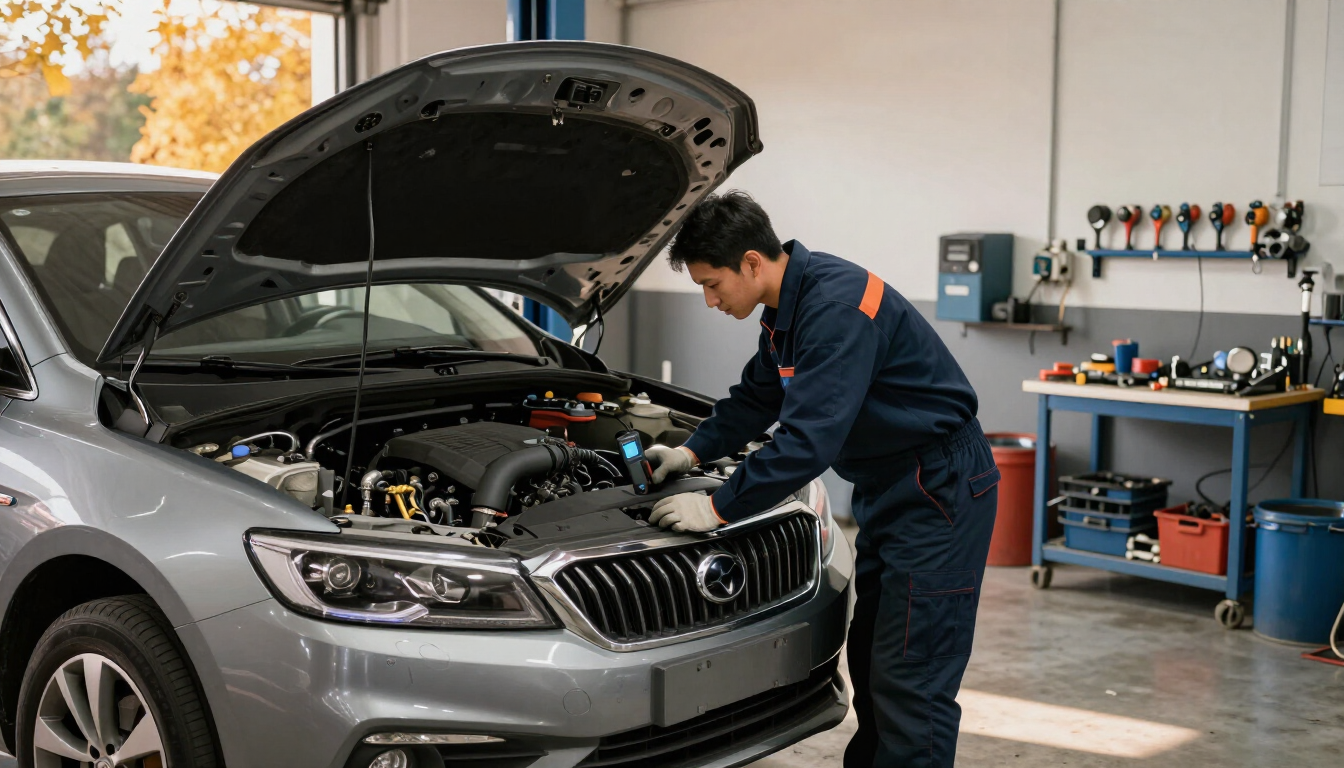
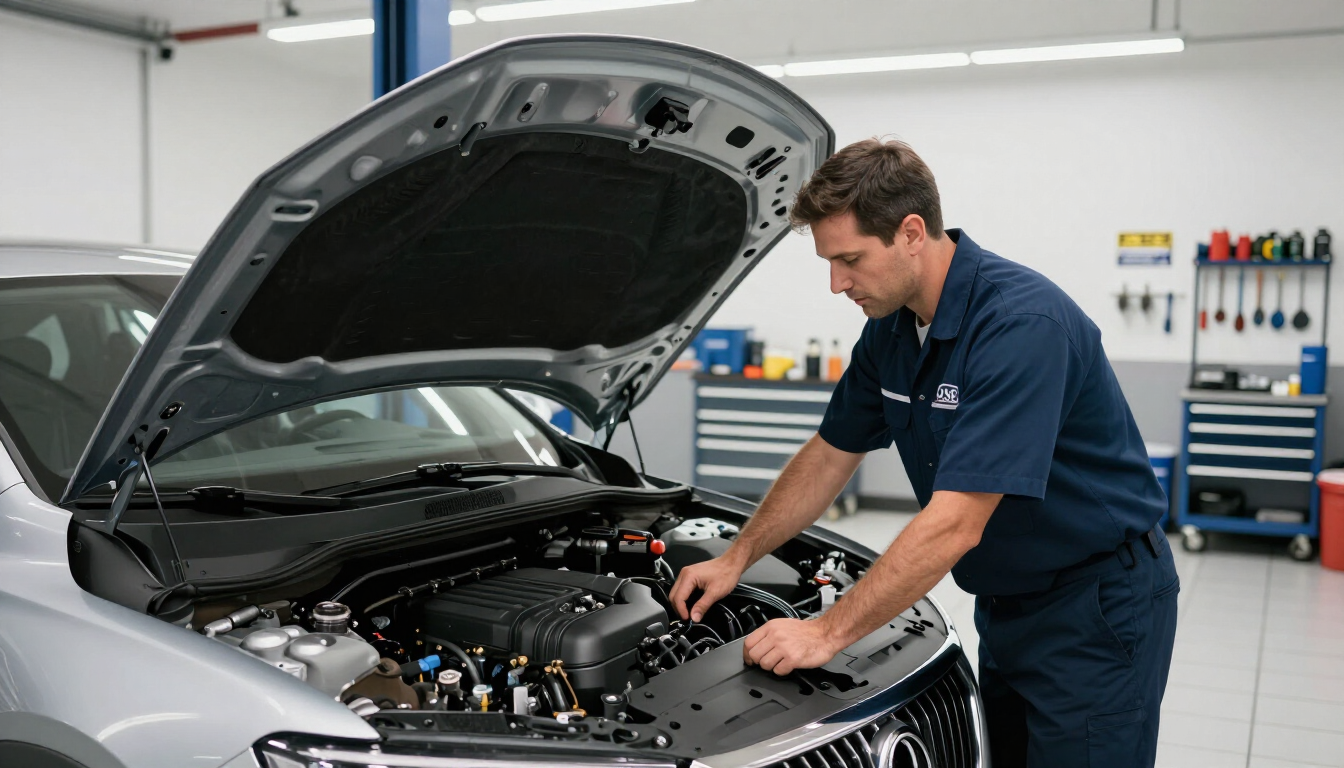
At Shade Tree Garage in Morristown, NJ, diagnostics are handled with a careful and thorough approach. The goal is not just to read a code and replace a part. The goal is to understand what is causing the issue, explain the findings clearly, and recommend the right repair. This helps drivers feel more confident and helps prevent unnecessary work.
Professional diagnostics are especially important for today’s vehicles because so many systems are connected. A problem in one area can affect another. That is why experience, equipment, and attention to detail matter. If your vehicle has a warning light, strange sound, performance issue, or leak, scheduling diagnostics early can help protect your car and prevent bigger repairs.