Are Your Engine Mounts Affecting Your Vehicle’s Performance and Ride Comfort?

Michael Lazo

As the days get shorter and temperatures drop, it’s easy to forget about how the colder weather can affect various vehicle components, such as the engine mounts. These unsung heroes play a crucial role in ensuring a smooth ride, particularly in the colder months. Worn engine mounts can lead to serious issues, and this is especially true in fall and winter when the elements put extra strain on your vehicle.  In this month’s blog post, we examine your vehicle’s engine mounts, what type of problems you can experience, and key maintenance tips.

What are Engine Mounts?

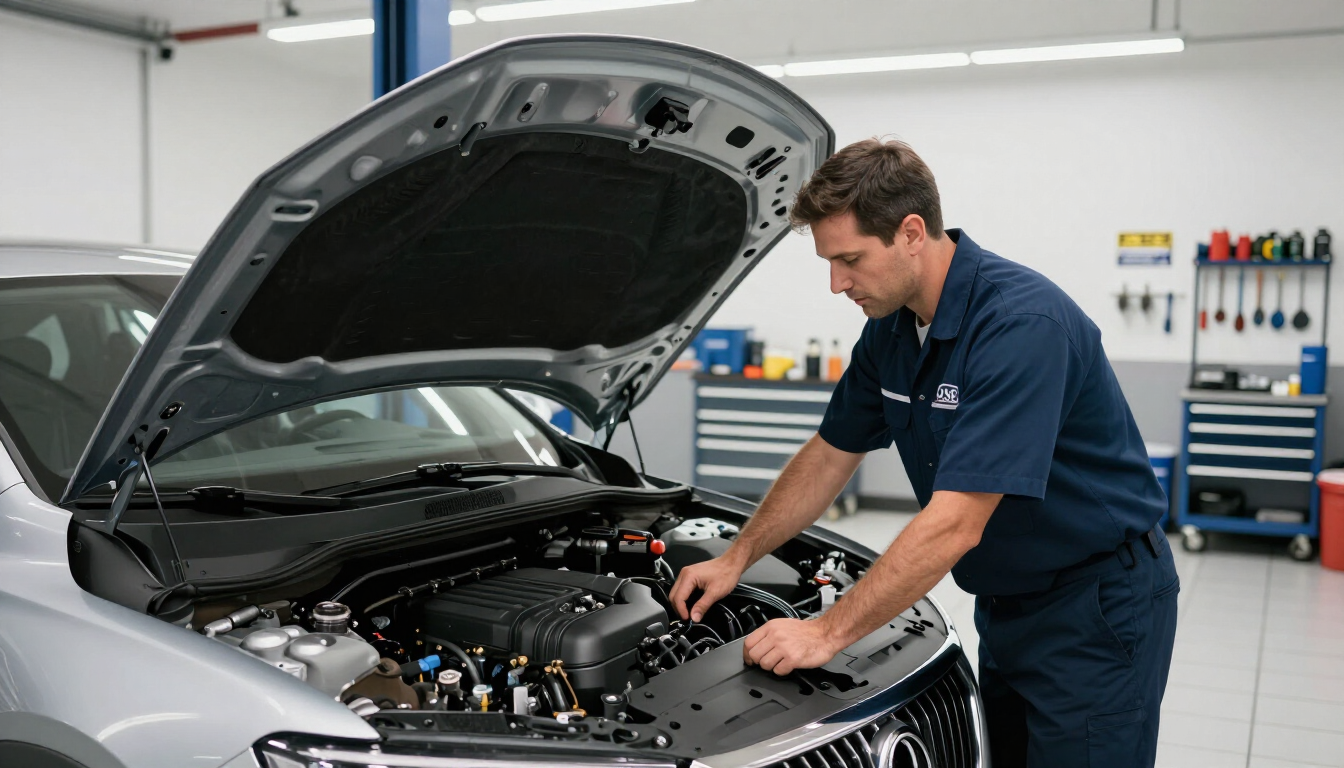
Engine mounts secure your engine to the vehicle’s frame, absorbing shocks and vibrations, and keeping the engine aligned with the drivetrain. When these mounts wear out, the engine can shift, leading to noise, vibration, and even damage to other components. In colder weather, worn mounts become stiffer, which can exacerbate these problems.

Engine mounts are often overlooked because they do not usually give obvious signs of wear until they are significantly degraded. Unlike oil changes or tire rotations, there is not a set interval for checking them, and symptoms like unusual vibrations can be mistaken for other issues.

Cold Weather and Your Engine Mounts

Colder weather can have a significant impact on vehicle engine mounts, including:

  1. Material Stiffening: Engine mounts are often made of rubber or a rubber-metal composite. In colder temperatures, rubber can become stiffer and less flexible, which can reduce its ability to absorb vibrations and shocks effectively.
  2. Increased Wear and Tear: The cold can exacerbate existing wear and tear on engine mounts. As the rubber hardens, it may crack or deteriorate faster, leading to a compromised mount.
  3. Condensation and Moisture: Cold weather can lead to condensation and moisture buildup, which can affect the integrity of the rubber in the mounts, causing them to degrade more quickly.

Identifying Problems with Engine Mounts

So, how can you tell if your engine mounts need attention?

  • Increased Vibrations: If you feel unusual vibrations, especially when the engine is idling, it could be a sign of worn engine mounts.
  • Unusual Noises: Listen for clunking or banging sounds, particularly when starting the vehicle or during acceleration.
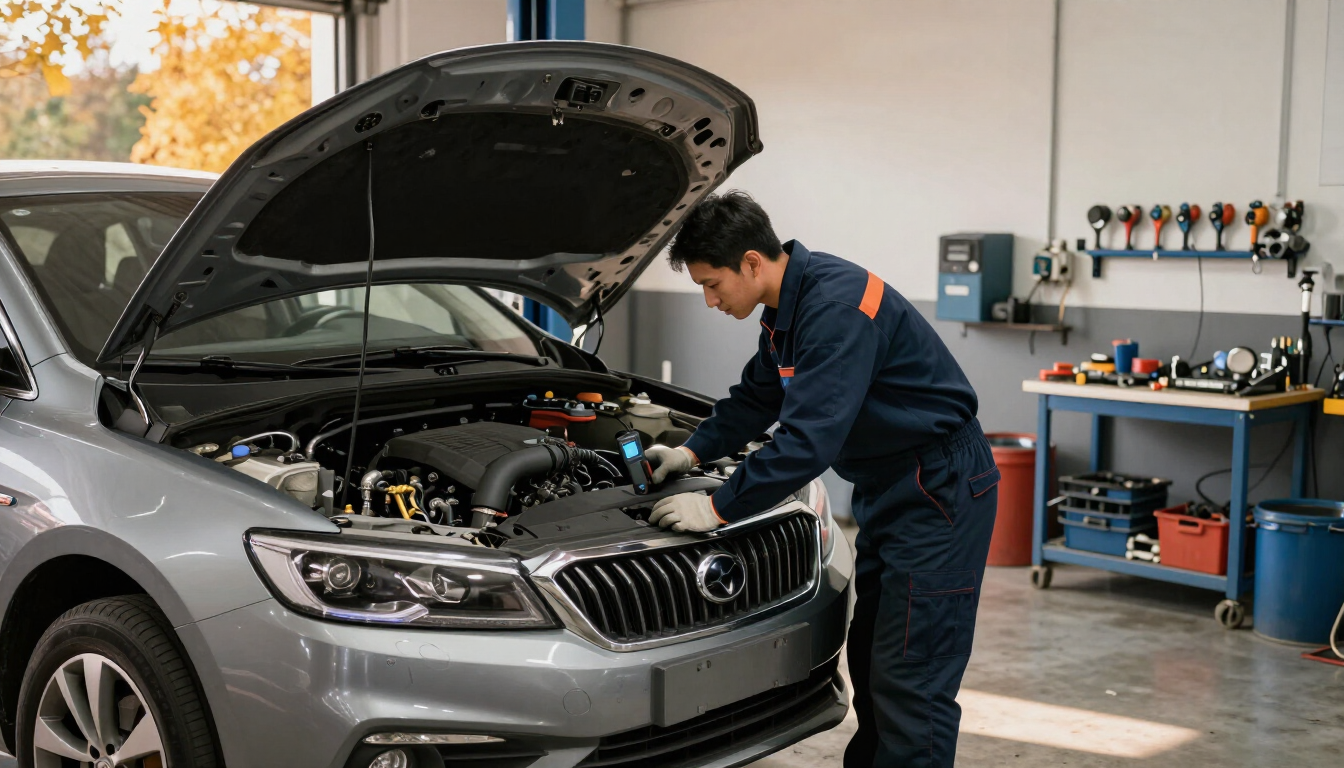
  • Engine Movement: Pop the hood and visually inspect if the engine moves excessively when revving it. There should be minimal movement if the mounts are in good shape.

Maintaining Your Engine Mounts

Regular maintenance can prolong the life of your engine mounts and keep them functioning effectively:

  • Routine Inspections: Include engine mounts in your regular vehicle check-ups. Look for cracks, wear, or looseness in the mounts.
  • Keep Your Engine in Tune: A well-maintained engine runs smoothly, putting less strain on the mounts.
  • Mind Your Driving Habits: Aggressive driving can cause additional wear. Try to drive smoothly and avoid harsh acceleration or sudden stops.

Regular checks and maintenance of your engine mounts can save you from the headaches of engine damage and costly repairs. As the temperatures drop, taking the time to ensure your engine mounts are in good condition will help keep your vehicle running smoothly throughout the colder months.  If you would like your engine mounts inspected, contact the service professionals at Shade Tree Garage to schedule an appointment.

Intake Manifold Carbon Build-Up
By Michael Lazo January 1, 2026
This time of year, many vehicle owners notice subtle power loss or sluggishness and dismiss it as “just winter sluggishness.” However, these signs—rough idling, hesitant acceleration, or a drop in fuel economy—are often the quiet warnings of Intake Manifold Carbon Build-Up.  In this month’s blog, we examine how carbon deposits can wreak havoc on your vehicle’s intake manifold ... Read more The post Intake Manifold Carbon Build-Up first appeared on Shade Tree Garage | Morristown, NJ.
Hand pouring green coolant into a car's reservoir under the hood.
By Michael Lazo November 20, 2025
Antifreeze, also known as coolant, is a critical fluid that helps regulate engine temperature and prevent costly damage year-round. In this month’s blog, we explain what antifreeze does, how it changes over time, and why proper maintenance is essential for reliable vehicle performance.
Blurred black car speeds along a winding road lined with vibrant orange autumn trees.
By Michael Lazo October 22, 2025
As temperatures drop and road conditions worsen, winter preparation becomes essential. Cold weather, snow, ice, and road salt can accelerate wear on your vehicle. Scheduling preventative maintenance before winter helps ensure your car stays safe, reliable, and dependable throughout the season.
Mechanic working on a car raised on a lift in a repair shop.
By Michael Lazo September 20, 2025
Your vehicle’s suspension system does more than smooth the ride, it’s a critical safety feature that affects handling, braking, and stability. A well-maintained suspension keeps your vehicle responsive on any road. In this month’s blog, we explore why suspension health matters.
Mechanic inspecting car tire at a repair shop.
August 20, 2025
After a summer of road trips, heat, and rough pavement, your vehicle may show signs of misalignment. Wheel alignment is often overlooked, but it’s critical for safety, performance, and tire life. In this month’s blog, we explain why alignment matters and when to have it checked.
Hand adjusting car's temperature dial, black panel with chrome accents; controls for air conditioning.
By Michael Lazo July 23, 2025
When summer heat hits, your vehicle’s air conditioning becomes essential—not a luxury. Knowing the warning signs of A/C trouble can help you avoid a complete failure. In this month’s blog, we highlight common symptoms every vehicle owner should watch for to stay cool and comfortable all summer.
Man driving a convertible with a woman passenger; both smiling, enjoying a sunny day.
By Michael Lazo June 13, 2025
When it comes to seasonal vehicle troubles, winter often gets the blame—but summer can be just as hard on your car. Extreme heat, sun exposure, and long road trips can strain tires, fluids, and other critical components. In this month’s blog, we explain how summer conditions affect your vehicle and how to stay protecte
Exhaust pipe emitting white smoke on a blue surface. Car detail.
By Michael Lazo May 21, 2025
As a New Jersey vehicle owner, staying current with emissions testing is required to help protect air quality. Failing a test can be frustrating, but understanding the causes helps you pass with confidence. This month’s blog explains the process and how Shade Tree Garage can help if your vehicle fails inspection.
Black fuel filter with arrow indicating flow direction and two metal tubes.
By Michael Lazo April 24, 2025
The fuel filter plays a key role in keeping your vehicle running smoothly by removing dirt, rust, and debris from the fuel before it reaches the engine. In this month’s blog, we explain how fuel filters work, common problems to watch for, and why regular maintenance matters.
Close-up of a car tire in an auto repair shop; other vehicles are blurred in the background.
By Michael Lazo March 21, 2025
Winter is tough on tires. Cold temperatures, icy roads, and salt can cause damage, making spring the perfect time for tire care. Proper post-winter maintenance improves safety and extends tire life. In this month’s blog, we share tips to keep your tires in top condition.
Show More