What Can Vehicle Diagnostics Reveal About Your Car’s Health?

Shade Tree Garage

The computerized vehicle diagnostic system, often referred to as an On-Board Diagnostics (OBD) system, is a sophisticated piece of technology that plays a crucial role in maintaining the health of your vehicle. In this month’s blog, we discuss how the OBD may not always pinpoint the source of your vehicle’s problem without further exploration by a trained service professional.

How does the OBD system work?

The OBD system works by continuously receiving and analyzing data from various sensors located throughout the vehicle. These sensors measure everything from engine temperature to oxygen levels in the exhaust gases.


When you connect an OBD scanner to your vehicle (usually via a port under the dashboard), you can access these trouble codes. Each code corresponds to a specific problem, which can then be diagnosed and fixed by a service professional.

Are the OBD codes always accurate?

When a vehicle’s computer reports a problem, it is common for drivers to assume that the computer has identified the faulty component and that replacing it will fix the issue. However, this is not always the case.


Often, there is a reason for the code that is not the result of a component failure. For example, if a vehicle has a bad thermostat, it may trigger a code for a coolant sensor out of range. The computer expects a certain signal after a few minutes of running time, which it may not receive because the engine failed to reach operating temperature. Similarly, if an engine stalls, the crank position sensor may report a loss of speed signal. However, the crank sensor is reporting the fact that the engine stopped running and changing that sensor would not fix the stalling.

Verifying OBD readings

Because the OBD readings may not always pinpoint the problem, it is important to perform a thorough diagnosis before replacing any components. A visual inspection can help identify any obvious issues. If nothing is apparent, further testing may be required to determine the exact reason for the check engine light, or malfunction indicator light (MIL).


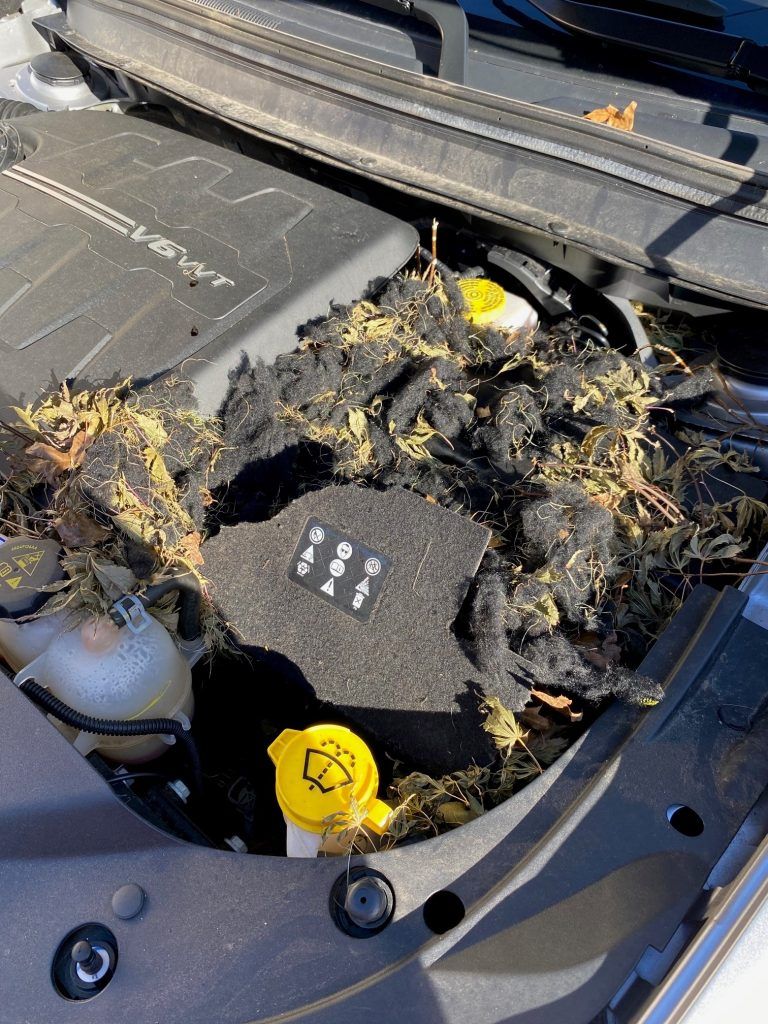
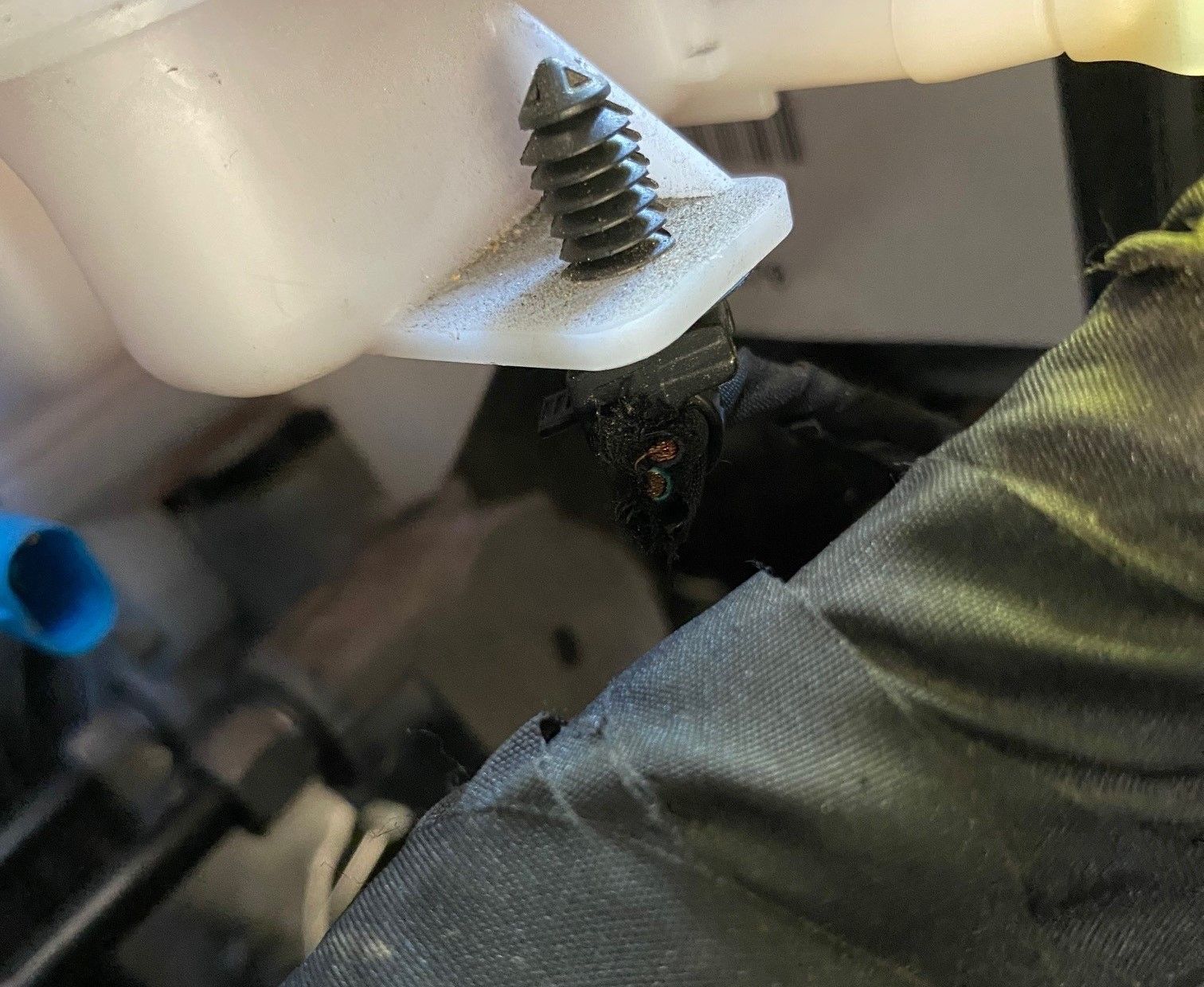
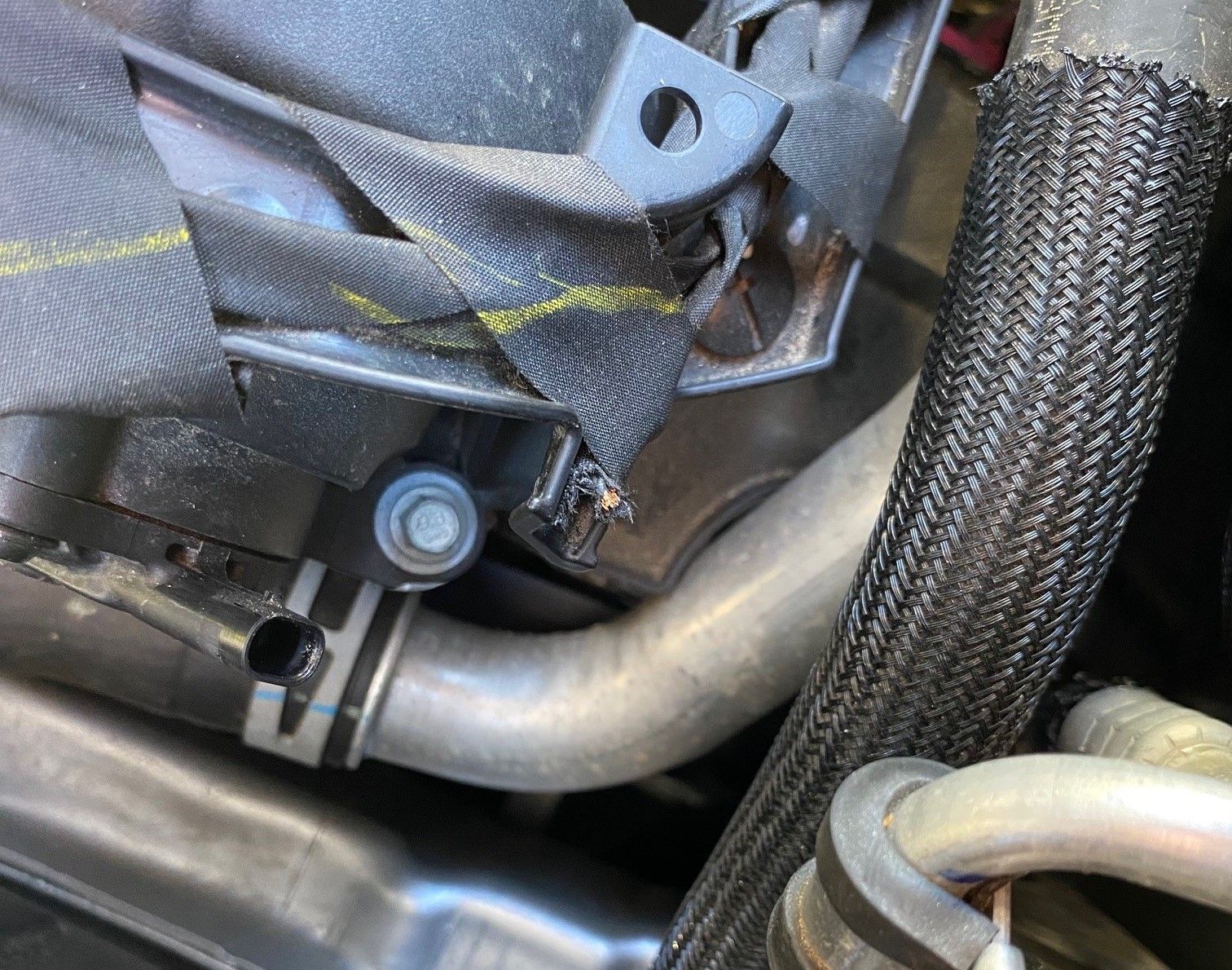
For instance, if you get a code for loss of signal from the camshaft actuator, it is important to perform a visual inspection and fault memory read before replacing any components. In some cases, small rodents may have moved in under the hood of your car and eaten all sorts of stuff causing issues with your car.

See the photos below of a recent example where the diagnostic did not tell the entire story.

The pictures show an example of a recent camshaft indicator error that turned out to be damage from rodents.


To ensure that your vehicle is properly serviced, it is important not to jump to conclusions when your vehicle’s computer reports an issue. Instead, take your car to an experienced technician who can perform a thorough diagnosis and recommend appropriate testing to determine the exact reason for the MIL.


If you would like to have your vehicle inspected for possible issues, contact the service professionals at Shade Tree Garage to schedule an appointment.

Intake Manifold Carbon Build-Up
By Michael Lazo January 1, 2026
This time of year, many vehicle owners notice subtle power loss or sluggishness and dismiss it as “just winter sluggishness.” However, these signs—rough idling, hesitant acceleration, or a drop in fuel economy—are often the quiet warnings of Intake Manifold Carbon Build-Up.  In this month’s blog, we examine how carbon deposits can wreak havoc on your vehicle’s intake manifold ... Read more The post Intake Manifold Carbon Build-Up first appeared on Shade Tree Garage | Morristown, NJ.
Hand pouring green coolant into a car's reservoir under the hood.
By Michael Lazo November 20, 2025
Antifreeze, also known as coolant, is a critical fluid that helps regulate engine temperature and prevent costly damage year-round. In this month’s blog, we explain what antifreeze does, how it changes over time, and why proper maintenance is essential for reliable vehicle performance.
Blurred black car speeds along a winding road lined with vibrant orange autumn trees.
By Michael Lazo October 22, 2025
As temperatures drop and road conditions worsen, winter preparation becomes essential. Cold weather, snow, ice, and road salt can accelerate wear on your vehicle. Scheduling preventative maintenance before winter helps ensure your car stays safe, reliable, and dependable throughout the season.
Mechanic working on a car raised on a lift in a repair shop.
By Michael Lazo September 20, 2025
Your vehicle’s suspension system does more than smooth the ride, it’s a critical safety feature that affects handling, braking, and stability. A well-maintained suspension keeps your vehicle responsive on any road. In this month’s blog, we explore why suspension health matters.
Mechanic inspecting car tire at a repair shop.
August 20, 2025
After a summer of road trips, heat, and rough pavement, your vehicle may show signs of misalignment. Wheel alignment is often overlooked, but it’s critical for safety, performance, and tire life. In this month’s blog, we explain why alignment matters and when to have it checked.
Hand adjusting car's temperature dial, black panel with chrome accents; controls for air conditioning.
By Michael Lazo July 23, 2025
When summer heat hits, your vehicle’s air conditioning becomes essential—not a luxury. Knowing the warning signs of A/C trouble can help you avoid a complete failure. In this month’s blog, we highlight common symptoms every vehicle owner should watch for to stay cool and comfortable all summer.
Man driving a convertible with a woman passenger; both smiling, enjoying a sunny day.
By Michael Lazo June 13, 2025
When it comes to seasonal vehicle troubles, winter often gets the blame—but summer can be just as hard on your car. Extreme heat, sun exposure, and long road trips can strain tires, fluids, and other critical components. In this month’s blog, we explain how summer conditions affect your vehicle and how to stay protecte
Exhaust pipe emitting white smoke on a blue surface. Car detail.
By Michael Lazo May 21, 2025
As a New Jersey vehicle owner, staying current with emissions testing is required to help protect air quality. Failing a test can be frustrating, but understanding the causes helps you pass with confidence. This month’s blog explains the process and how Shade Tree Garage can help if your vehicle fails inspection.
Black fuel filter with arrow indicating flow direction and two metal tubes.
By Michael Lazo April 24, 2025
The fuel filter plays a key role in keeping your vehicle running smoothly by removing dirt, rust, and debris from the fuel before it reaches the engine. In this month’s blog, we explain how fuel filters work, common problems to watch for, and why regular maintenance matters.
Close-up of a car tire in an auto repair shop; other vehicles are blurred in the background.
By Michael Lazo March 21, 2025
Winter is tough on tires. Cold temperatures, icy roads, and salt can cause damage, making spring the perfect time for tire care. Proper post-winter maintenance improves safety and extends tire life. In this month’s blog, we share tips to keep your tires in top condition.
Show More